How Startups Can Build AI Visibility in 5 Simple Steps
How Startups Can Build AI Visibility in 5 Simple Steps
Introduction: The Silent Shift in Digital Discovery
For over two decades, the playbook for startup growth was binary: you either paid for attention via ads or earned it through traditional SEO. Founders obsessed over "blue links," high-volume keywords, and backlink counts. But today, the ground has shifted. We are witnessing a silent but total transformation in how users find products, solve problems, and make purchasing decisions. This is the era of Generative Engine Optimization (GEO).
Traditional SEO, ranking for a specific keyword string, is no longer the finish line. Discovery has moved "upstream." Before a potential customer ever lands on a search engine results page (SERP) to click a link, they are likely interacting with an AI assistant. Whether it is ChatGPT, Perplexity, or Google’s AI Overviews, these Large Language Models (LLMs) are now the primary discovery layer.
The value proposition for your startup has changed: it is no longer about being the first result in a list; it is about being the cited source inside the AI’s answer. If a buyer asks ChatGPT for the "best AI-native CRM for bootstrapped teams" and your brand isn't mentioned, you haven't just lost a click, you’ve been excluded from the buyer's shortlist before the race even began.
This guide is designed for the cash-strapped founder who needs to move from digital invisibility to becoming a primary source for AI assistants. You don't need a massive enterprise budget or a team of expensive consultants. By replacing "tool sprawl" with lean, AI-native growth strategies, you can build a sustainable distribution moat that compounds as AI usage explodes. We will show you how to leverage platforms like Wellows and Semrush to win in a world where being "the answer" is the only metric that matters.
Step 1: Establish Your AI Baseline and Audit Technical Blind Spots
You cannot optimize what you do not measure. In the first 7 to 14 days of your transition to GEO, your priority is to establish a clear baseline. Most startups are flying blind, unaware of how often they are actually appearing, or being ignored, by the models that dominate the market.
The 14-Day Baseline Strategy
Days 1–3: The Visibility Audit. Use an AI search visibility tool to identify where your brand currently stands across ChatGPT, Perplexity, and Google AI Overviews. This isn't about general keyword rankings; it’s about "citation frequency."
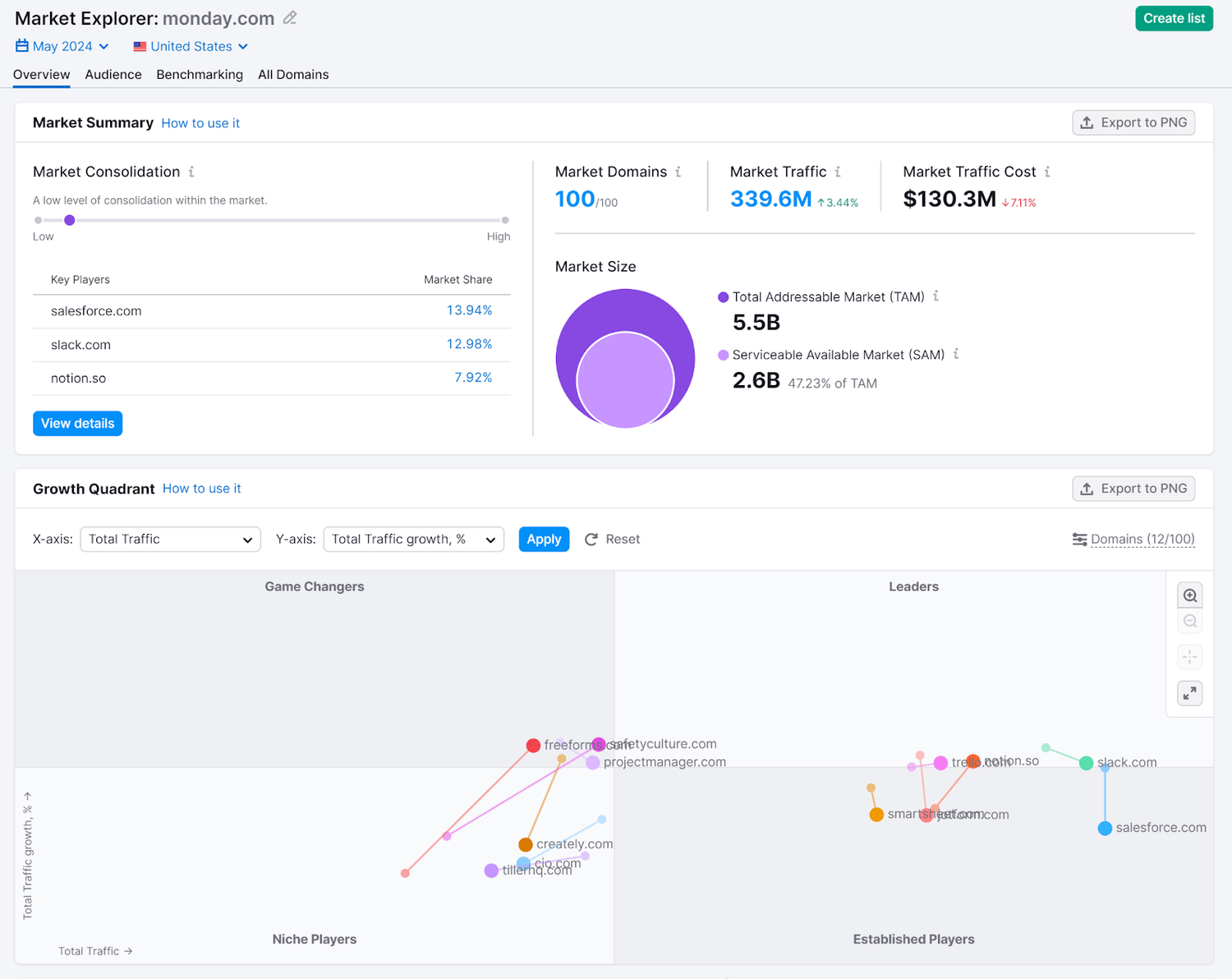
Days 4–7: The Competitive Landscape. Map out which competitors are currently "hardening" their positions. If a competitor is cited in 80% of responses for your core value proposition, they have already established "Entity Authority" in the eyes of the LLM.
Days 8–14: Technical Gap Analysis. Identify the "Technical SEO Issues" that prevent AI platforms from recognizing you.
Resolving Technical Blind Spots and Entity Recognition
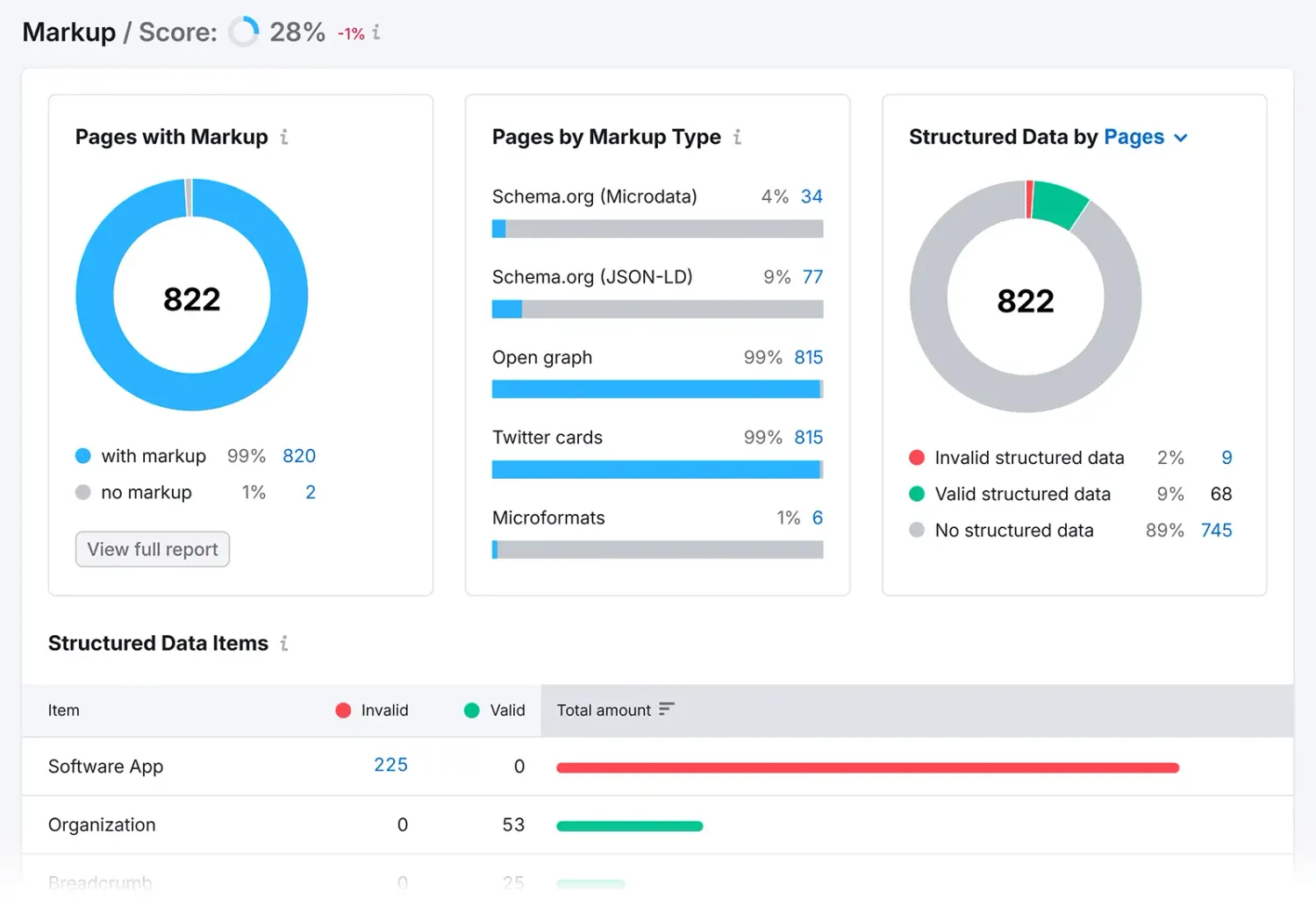
AI systems like ChatGPT and Gemini do not "read" your site the way a human does. They look for "Entities." An entity is a distinct, well-defined concept or brand. Semrush data shows that LLMs are trained on massive datasets, including over 808 million domain profiles. If your technical setup is messy, if your Schema markup is missing, your site architecture is opaque, or your content is hidden behind complex scripts, the AI crawlers will fail to recognize your brand as a distinct entity.
Without technical clarity, you are ineligible for citations. You might have the best product in the world, but if the LLM cannot connect your brand name to the "solutions" it is recommending, you remain invisible.
Foundational AI Visibility Audit Checklist
[ ] Current Citation Frequency: How many times per 100 queries is your brand mentioned?
[ ] Platform-Specific Presence: Are you visible on Perplexity but missing on Gemini? (Different models prioritize different trust signals).
[ ] Competitor Dominance by Topic: List the top 5 topics you want to own and identify who the AI currently "trusts" for those answers.
[ ] Entity Recognition Check: Does the AI recognize your brand name as a company, or does it confuse you with a generic term?
[ ] Crawlability Status: Have you checked your robots.txt and sitemap to ensure LLM-specific bots (like GPTBot) have access?
Founder’s Tactical Sidebar: Don't wait for perfect data. Use the first week to find just three "prompts" where your competitor is cited and you aren't. That gap is your first execution target.
Step 2: Collapse the Stack, Replacing Tool Sprawl with AI-Native Platforms
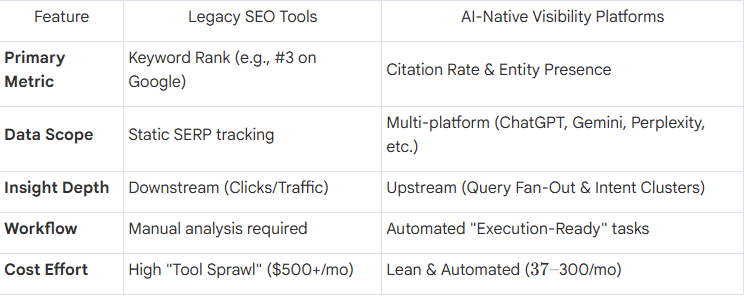
One of the greatest drains on a startup's limited capital is "tool sprawl." We see founders paying $150/mo for a legacy rank tracker, $99/mo for a separate site auditor, and $200/mo for a content gap tool. Not only is this expensive, but these tools are often "AI-blind." They track your position on page one of Google, but they can’t tell you if you’ve been replaced by an AI Overview that pushes those blue links below the fold.
The Cost of Legacy vs. AI-Native
A traditional fragmented stack can easily cost a startup $500/mo or more. Furthermore, these tools require a human analyst to interpret the data and turn it into a strategy. In a lean startup, the founder is the analyst, and you don’t have the time to stitch together five different spreadsheets.
You must "collapse the stack." AI-native platforms like Wellows offer a "Lite" plan starting at just $37/month, specifically designed for founders who need to see the whole picture in one place. Similarly, the Semrush AI Visibility Toolkit integrates 17 years of search intelligence into a single interface that monitors prompt-level visibility.
Legacy SEO Tools vs. AI Visibility Platforms
Understanding "Query Fan-Out"
Legacy tools focus on a single search term. AI-native tools focus on the "Query Fan-Out." Because AI search is conversational, one query leads to three more. If a user asks "How to scale a remote team," the AI will likely generate follow-up paths like "What are the best tools for remote payroll?" or "How to handle timezone overlaps."
AI-native platforms expose these follow-up paths, allowing you to build content that covers the entire "intent cluster." By answering the follow-up questions before the user even asks them, you solidify your position as the primary authority the AI refers to throughout the entire conversation.
Step 3: Identify Query-Level Gaps and Competitor Benchmarking
Speed is your only real advantage over incumbents. To gain organic wins, you cannot afford to wait six months for a content strategy to "mature." You need "Query-Level Opportunity Detection", the process of finding specific, high-intent prompts where the AI is already influencing buyer decisions.
Leveraging the 213M+ Prompt Database
Platforms like Semrush now monitor over 213 million LLM prompts. This is a goldmine for startups. By tapping into this data, you can see the exact language users are using to interact with AI. You aren't just guessing "keywords"; you are seeing the actual prompts that lead to brand recommendations.
The "Top Cited Queries" Strategy
Use your AI visibility tool to identify "Top Cited Queries" in your niche. This highlights:
1. Inclusion Gaps: Where a competitor is being cited for a feature your product also has.
2. Citation Drift: Where you were once cited but have been replaced by a more "fresh" or "authoritative" source.
3. Upstream Demand: How AI is summarizing your category. For example, if the AI summarizes your category as "Easy-to-use CRM," but you are marketing yourself as "Enterprise CRM," you have a messaging gap that is killing your visibility.
Quick-Win Strategy List
Identify Exact Prompts: Use automated tracking to see which 10-20 prompts are driving the most mentions for your competitors.
Track Non-Referenced Content: Find high-quality pages on your site that the AI "knows" about but isn't "citing." This often requires a simple structure update to make it more "citation-friendly."
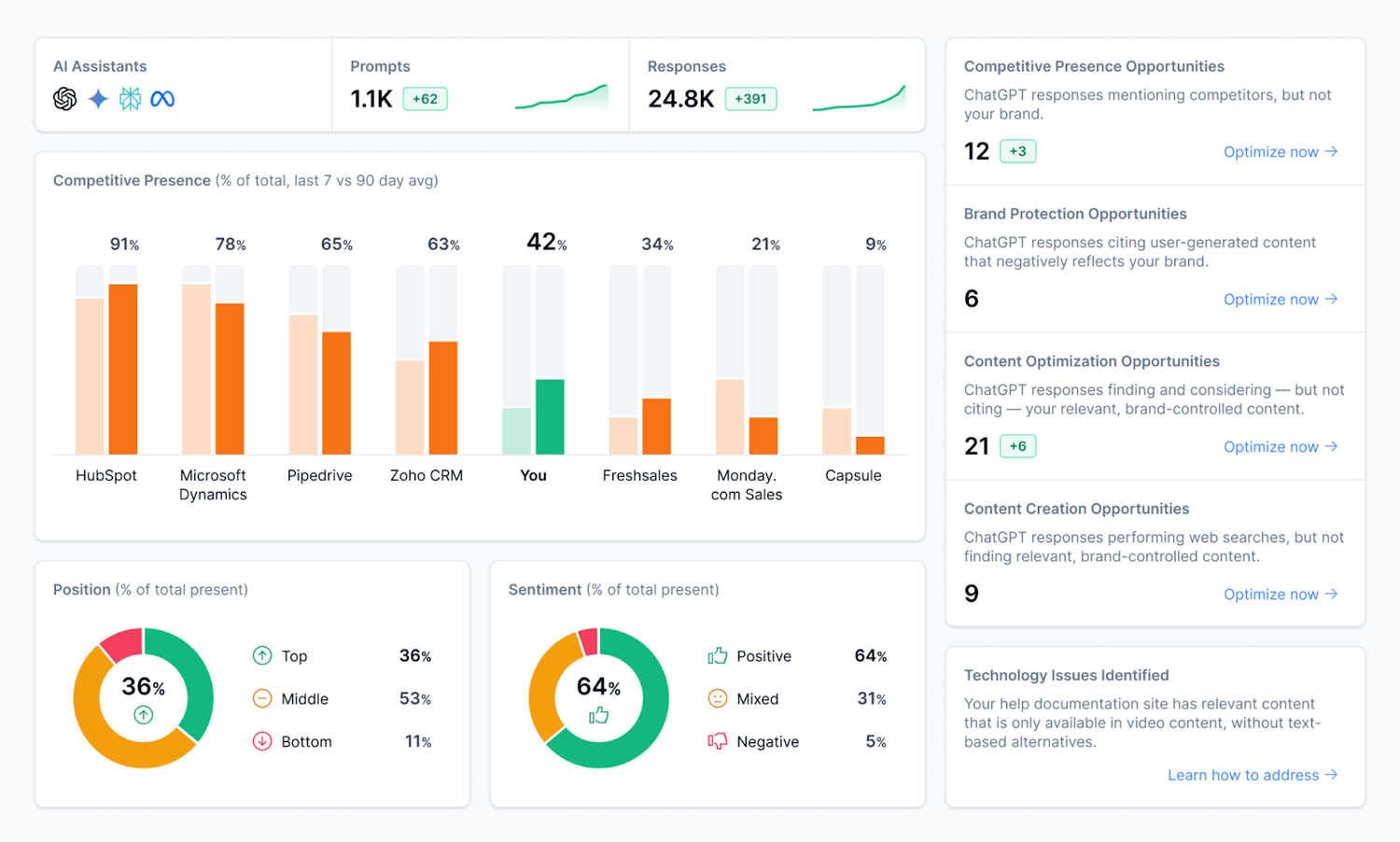
Monitor Upstream Summaries: Check the sentiment and accuracy of how AI describes your startup. If the AI is hallucinating about your pricing or features, you must update your "Trust Signals" (PR and site content) immediately.
Step 4: Execute AI-Ready Content and Earned Trust (PR)
Once you've identified the gaps, you must turn those insights into "execution-ready tasks." In a lean environment, you don't write content for the sake of writing; you write content to close a specific citation gap.
Creating AI-Ready Content
To be cited, your content must be structured in a way that LLMs find easy to parse and summarize. This means:
Direct Answers: LLMs favor content that answers the prompt in the first 100 words.
Entity Linking: Explicitly link your brand to the problem you solve.
Data-Backed Insights: Original data or unique insights are highly "cite-worthy."
Use AI writing generators that are specifically aligned with discovery logic. These tools help you structure your articles to match the "conversational intent" revealed by Query Fan-Out data.
AI PR: Building Trust with LLMs
LLMs are trained to prioritize sources with high trust scores. If you want to be cited, the AI needs to see that you are respected by other entities it already trusts. This is why "AI PR" is the new backlink building.
By using tools like the Semrush AI PR Toolkit, you can find media outlets that are frequently used as training data or cited sources by LLMs. Securing even one mention in a trusted trade publication can act as a massive "Trust Signal." When an LLM sees your brand mentioned in a trusted news source, its "Entity Confidence" in your startup increases, making it far more likely to recommend you to a user.
Closing the Execution Loop
Don't just publish and pray. Every piece of content should be tied to a "tracked prompt." If you write a piece to close a gap on the prompt "best boutique coffee subscriptions," your monitoring tool should tell you within days if your citation rate for that specific prompt has increased.
Step 5: Monitor Daily and Measure with AI-Native KPIs
AI search is volatile. A model update or a new competitor blog post can shift citations overnight. To protect your growth, you must move from monthly reporting to daily automated monitoring.
The 7 Critical AI-Native KPIs
To know if your 37–300/mo tool is actually working, stop looking at "Total Traffic" and start looking at these seven metrics:
1. AI Citation Rate: The percentage of industry-relevant prompts where your brand appears.
2. Primary Source Rate: How often the AI uses your site as the "main" reference (usually the first link in a Perplexity or AI Overview response).
3. AI Share of Voice: Your total visibility vs. your top 10 competitors across all LLMs.
4. Topic Coverage: How many unique "entities" or topics within your niche you are currently associated with.
5. Entity Presence: The frequency with which the AI identifies your brand as a distinct product/company rather than a generic term.
6. Answer Accuracy Rate: A manual or automated check of whether the AI’s description of your startup is correct.
7. Sentiment Signals: Are the AI mentions positive or neutral? (Negative sentiment can be a "discovery killer").
ROI DATA: 89% of startups using AI visibility tools hit positive ROI within 90 days. For those on modest budgets (50–90/month), the average revenue gain ranges from $200 to $800 per month. Agencies using these tools have reported 167% traffic growth and a 111% increase in leads for their B2B startup clients.
Deep Dive: Success Case Studies and Real-World ROI
The shift to AI visibility isn't just theory, it’s a proven revenue driver for lean teams.
The E-commerce Scale-Up: An e-commerce startup moved away from broad keyword chasing and focused on "Top Visibility Metrics." They optimized their content for how AI summarizes demand "upstream." The result? They scaled monthly revenue from $166k to $491k (a 196% increase) and grew organic traffic by 255% because they became the "default" recommendation for AI assistants.
The Local Service Business: A local service provider used a low-cost tracking tool (approx. $35/mo) to identify the specific conversational prompts their customers were using. They hit top-3 rankings for 89% of their target queries, leading to a $180,000 revenue boost in just 8 months, a staggering 514x ROI on their software spend.
These results were achieved not by outspending the competition, but by out-maneuvering them. They identified where the AI was forming "shortlists" and made sure they were the first name on the list.
For Non-Technical Founders: Managing AI Visibility Without Consultants
You do not need to be a prompt engineer or a data scientist to master GEO. Modern platforms are designed specifically for the "Founder-Operator."
Reports for Humans, Not Analysts
Tools like Wellows design their reports to answer the three questions every founder cares about:
1. Are we showing up?
2. Who is beating us?
3. What do I tell my content person to fix today?
These dashboards use plain language and "Clear Signals" rather than abstract technical metrics. You can understand your entire AI visibility status in a five-minute morning review.
No-Code, No Learning Curve
With features like Enterprise AIO persona-based prompt generation, you can simulate how different buyer personas (e.g., a "frugal CTO" vs. a "growth-obsessed CMO") search for your product. You don't have to manually test prompts; the system does it for you. There is no custom dashboard to build and no code to maintain. You can even connect your Google Search Console (GSC) for a unified view of traditional and AI-driven discovery.
Learning While Executing
The best way to build intuition about AI search is through execution. As you track your citations, you will begin to see patterns: Why did we get cited when we used that specific data table? Why did we lose the citation when the competitor updated their PR? This "on-the-job" learning is more valuable than any $5,000 consultant's strategy deck.
Frequently Asked Questions
How can I use free trials to run focused experiments?
Don't just poke around. Use a 7-day trial to run a "Competitive Inclusion Audit." Input your top 10 competitors and your top 50 target prompts. If the tool identifies at least 5 gaps where you should be cited but aren't, you have already justified the first month's subscription.
How should I split my budget between content and tracking tools?
For a lean startup, we recommend a 70/30 split. 70% of your marketing budget (or time) should go toward creating "AI-ready" content and PR. 30% should go toward the tracking tools (like Wellows or Semrush One). Without the tracking tools, you are essentially throwing that 70% at a wall and hoping it sticks.
How do I justify this budget to skeptical investors?
Show them the "Invisibility Risk." Show them a screenshot of ChatGPT or a Google AI Overview recommending three competitors and not your startup. Explain that AI is the "Upstream Discovery Layer", if you aren't here, the user never even sees your link. Use the 514x ROI case study and the 167% traffic growth stats to prove that GEO is a high-leverage growth channel.
How does automated prompt tracking work?
It functions like a "Brand Radar." Every day, the tool sends a series of prompts to various AI models. It records the response and checks for your brand's presence (implicit or explicit citations). If you are dropped from a response or if a new competitor enters the field, you get an alert. This allows you to react in days, not months.
Conclusion: Momentum over Perfection
The transition from SEO to AI Visibility is the most significant change in digital marketing in twenty years. For early-stage startups, this is not a threat, it is an unprecedented opportunity. For the first time, a bootstrapped team with a $37/month tool can out-position a legacy incumbent by being more responsive to how LLMs synthesize information.
The core philosophy of this guide is simple: Momentum over Perfection.
Establish your baseline in the next 14 days.
Collapse your stack to remove tool sprawl and save budget.
Identify query-level gaps using real-world prompt data.
Execute AI-ready content that builds trust with the models.
Monitor daily to protect your share of voice.
AI search is no longer an "edge case"; it is the primary way the next generation of customers will find you. You don't need to be perfect to start; you just need to be visible. Start your trial, identify your first gap, and begin building the momentum that will define your growth in the age of AI. The goal isn't just to "rank", the goal is to be the answer.



Created with © Systeme.io
Disclaimer: This page contains affiliate links. If you purchase through these links, we may earn a commission
at no extra cost to you. We only recommend tools we trust.