A Step-by-Step Guide to Enhancing AI Visibility for Brands
A Step-by-Step Guide to Enhancing AI Visibility for Brands
Artificial Intelligence isn’t just transforming business, it’s redefining how brands are discovered, trusted, and engaged with online. In today’s ever-evolving digital landscape, AI visibility is no longer a nice-to-have; it’s the new battleground for brand awareness, traffic, and ultimately, success. So, how do you ensure your business stands out in an age dominated by algorithms, voice search, and intelligent agents? Whether you’re a seasoned marketer or venturing into the world of AI-powered search for the first time, this comprehensive step-by-step guide will help you boost your AI visibility and future-proof your online presence.
What Is AI Visibility and Why Does It Matter?
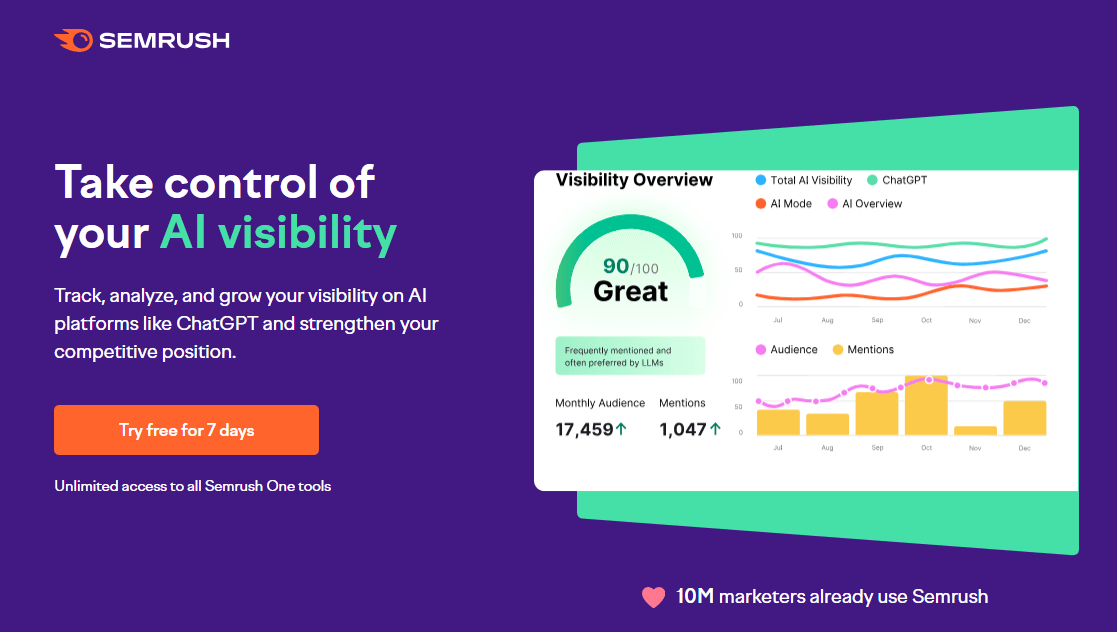
Before we dive in, let’s clarify what we mean by AI visibility. In simple terms, AI visibility is your brand’s ability to be discovered, accurately represented, and recommended by modern AI-driven search engines and digital assistants, think Google Search, Bing’s AI, ChatGPT plugins, Amazon Alexa, Siri, and more.
Gone are the days when SEO was only about pleasing Google’s web crawlers. Now, your business must be visible where people and algorithms are searching, across search engines, AI assistants, and smart devices. Enhanced AI visibility gets you in front of both human and AI audiences, establishing your brand as an authoritative, trustworthy source.
Why is this important?
AI-powered results increasingly shape user journeys, from search snippets to voice assistants picking the “best answer.”
The rise of generative AI means more users rely on summarized results, recommendations, and conversational search.
Brands that are “AI visible” dominate new market share, they’re found first, trusted more, and clicked on more often.
Step 1: Understand the Modern AI Search Landscape
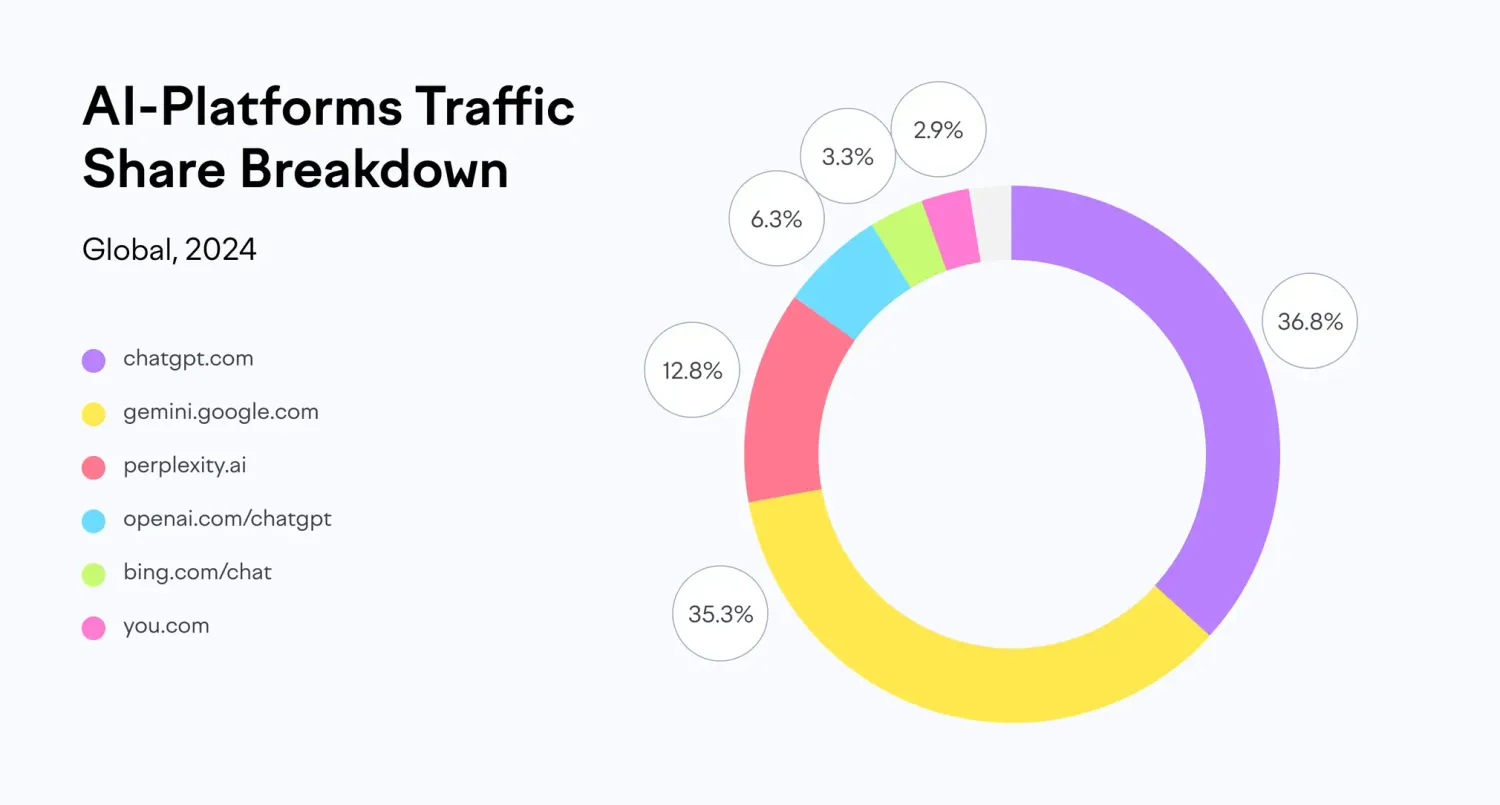
AI search isn’t just a fancy term, it’s a fundamental shift in how information is found online. Here’s what’s changed:
Traditional Search:
Relies on keywords, backlinks, and structured website data.
Users scan through links and make their own choices.
AI-Powered Search:
Uses machine learning to interpret intent, context, and sentiment.
Offers direct answers (featured snippets, summaries).
Integrates data from multiple sources, websites, reviews, directories, even proprietary databases.
Powers “zero-click” searches and smart assistants (voice or text).
Key Takeaway: Becoming visible to AI means optimizing beyond classic SEO, your brand must be structured, credible, accessible, and recognized everywhere AI engines gather data.
Step 2: Audit Your Current AI Visibility
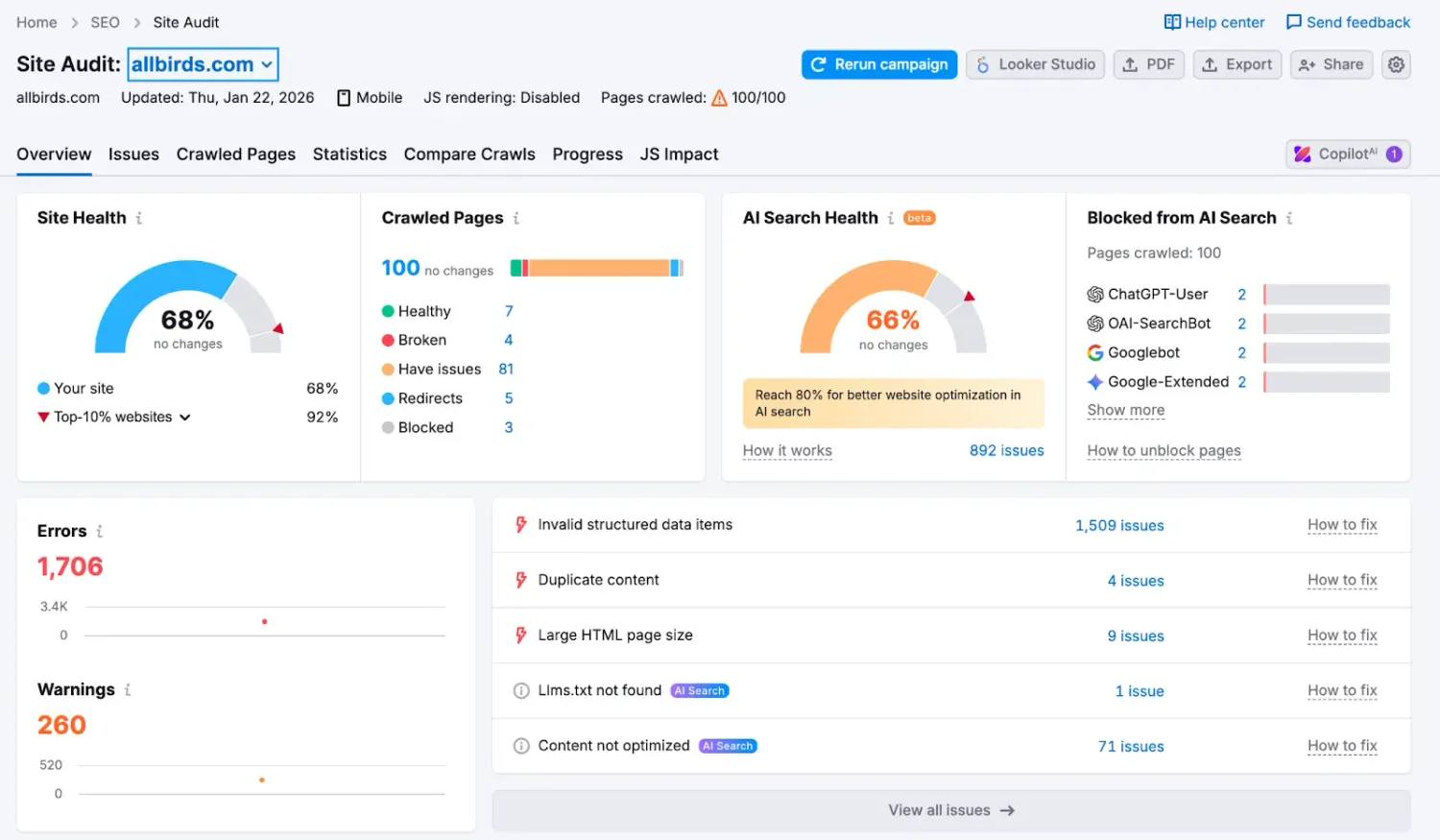
A successful journey starts with a map. Before creating a new AI visibility strategy, audit where your brand stands right now.
How to Audit Effectively:
Assess SERP Presence
Search your brand, products, and key topics across Google, Bing, and AI platforms like ChatGPT plugins.
Do you appear in featured snippets, knowledge panels, or answer boxes?
Are your competitors being recommended by voice assistants when you’re not?
Check Business Listings & Structured Data
Is your Google Business Profile up-to-date and optimized?
Are you listed consistently on directories (Yelp, TripAdvisor, Apple Maps, Bing Places, etc.)?
Does your website use schema markup for products, FAQs, people, local business, organization, and reviews?
Analyze Content Accessibility
Is your content easily digestible by AI, meaning well-structured, concise, and authoritative?
Do your resource pages or blog posts answer common questions in a Q&A format favored by AI?
Review Brand Mentions and Citations
Are reputable sites and media outlets mentioning or linking to your brand?
Is your NAP (Name, Address, Phone) absolutely consistent everywhere?
Pro Tip: Use modern AI visibility tools, like Semrush’s AI Visibility module, to track how often your brand and content appear in AI-powered channels and compare against competitors.
Step 3: Optimize Website Structure, Schema, and Data
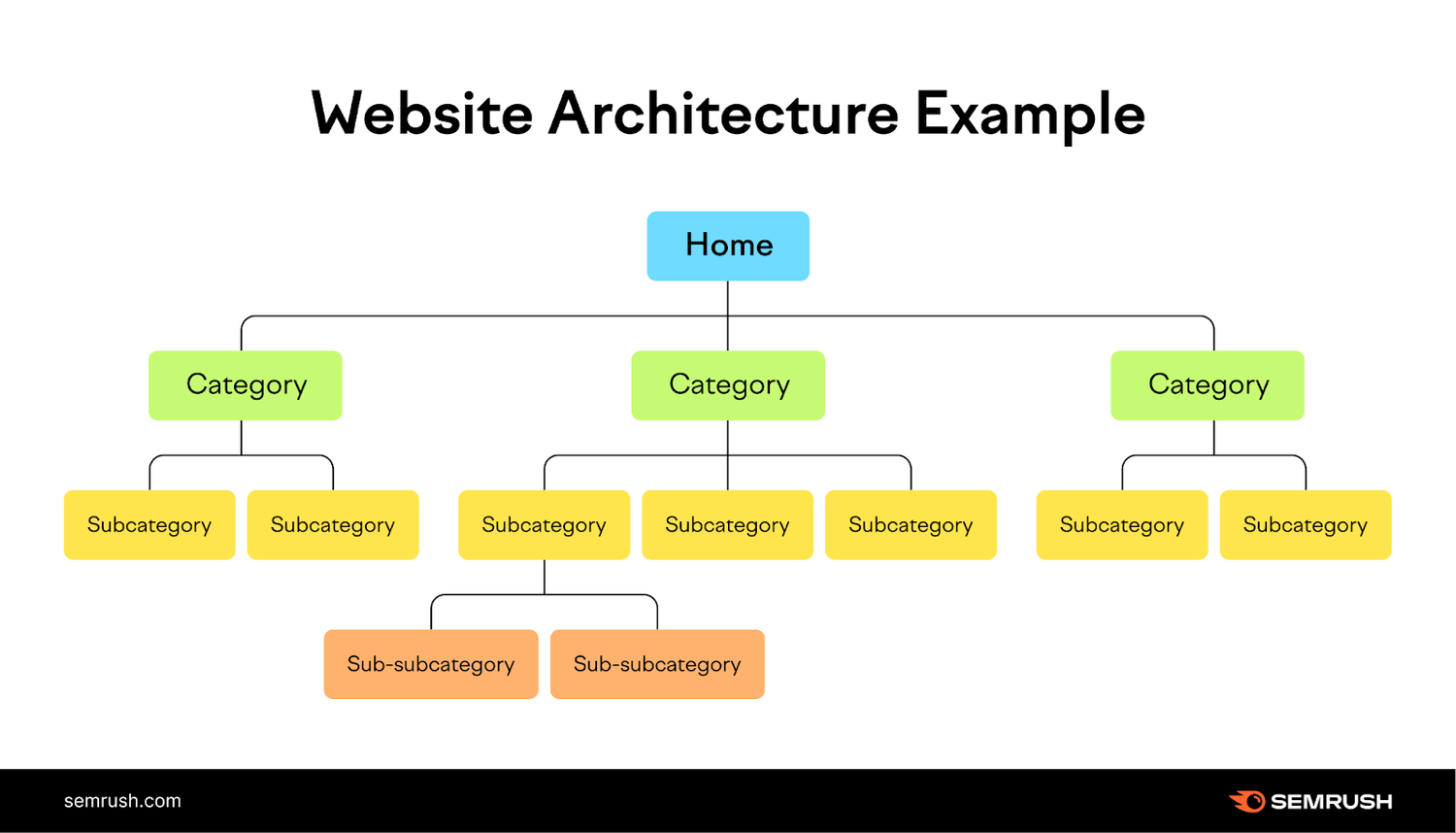
AI engines don’t “read” websites like humans, they parse data. The easier you make it for AI to “understand” your content, the more likely you’ll win premium placements.
Build on a Strong Technical SEO Foundation
Ensure fast load times, mobile responsiveness, and a secure HTTPS connection.
Fix broken links and crawl errors.
Clean up duplicate or thin content, resolving any canonicalization issues.
Implement Comprehensive Schema Markup
Use Schema.org markup for all important entity types, products, articles, people, locations, events, reviews, and FAQs.
Regularly update markup to reflect changes in offerings, hours of operation, or new products.
Use Structured Content and Answer Formats
Format key information using clearly-labeled headers, lists, and bullet points.
Write concise, direct answers to frequently asked questions, these are more likely to be pulled into AI-generated snippets or voice answers.
Keep APIs and Feeds Updated
Maintain up-to-date product feeds, menu data, event calendars, and location details using APIs or data feeds that AI services can access or crawl.
Step 4: Claim and Optimize All Relevant Business Profiles
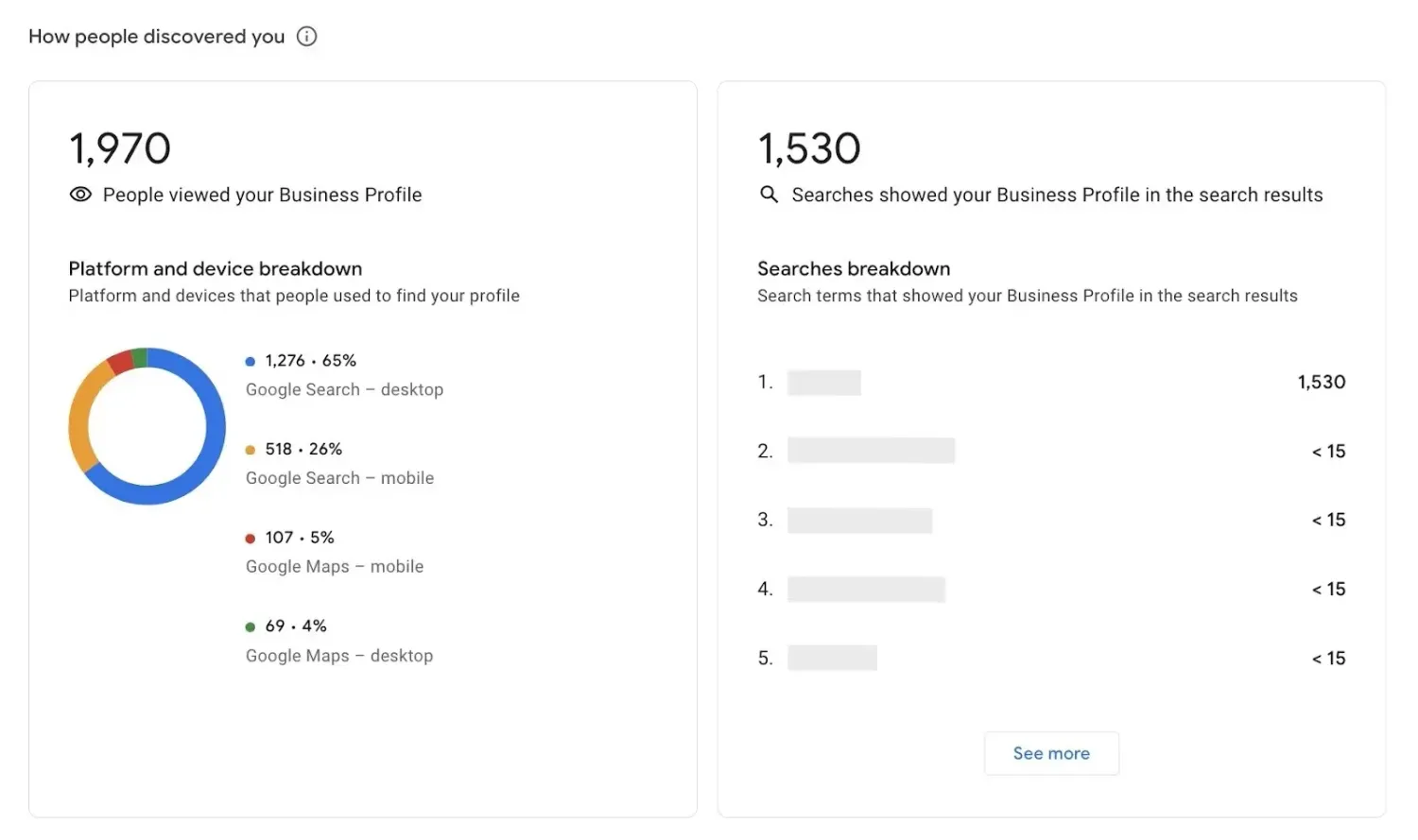
AI engines heavily rely on business directories and third-party platforms to corroborate information, especially for local search and recommendations.
Most Important Profiles to Manage:
Google Business Profile: Your primary local visibility tool. Keep it fully updated with categories, photos, posts, Q&A, reviews, and services.
Bing Places: Often overlooked, but essential for Microsoft-powered devices and assistants.
Apple Maps, Yelp, and TripAdvisor: Popular not just for maps, but increasingly as information sources for AI assistants.
Industry-specific Directories: Whether you’re a restaurant, law firm, or e-commerce seller, being listed with the right data in niche directories (OpenTable, Justia, ProductHunt, etc.) boosts AI trust.
Optimization Checklist:
Verify ownership and accuracy of your listings.
Complete 100% of each profile, covering everything from business hours to attributes.
Encourage and respond to customer reviews (AI engines weigh recent, authentic reviews highly).
Upload quality, up-to-date images and videos.
Add rich product/service descriptions and updated pricing/availability whenever possible.
Step 5: Elevate Your Content for the Age of Generative AI
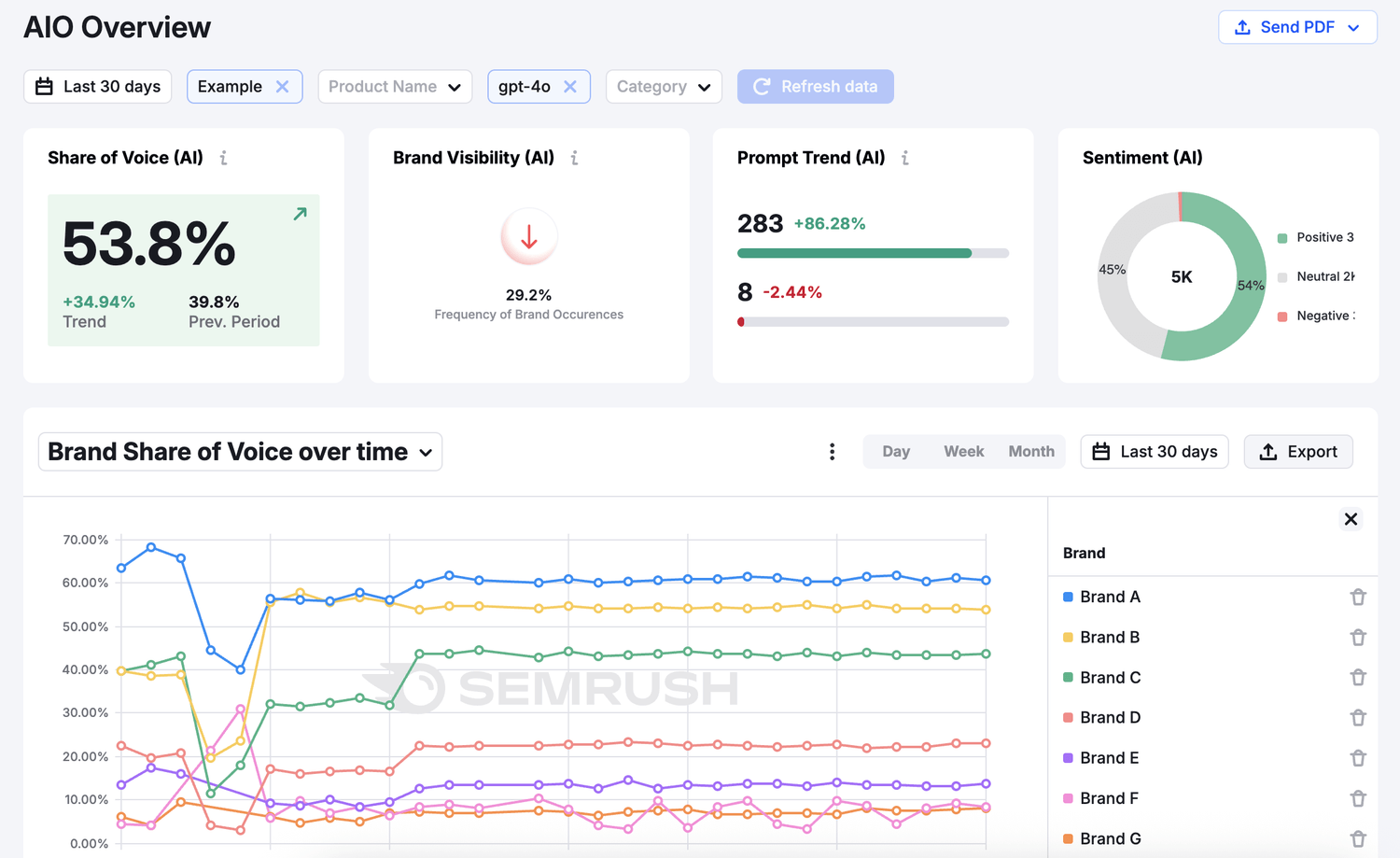
Content isn’t just king anymore, context is emperor. To win AI visibility, focus on content that stands out, solves real problems, and can be repurposed by intelligent assistants.
Create People-First Content With AI in Mind
Anticipate the questions real people (and AI) will ask: “How do I…?”, “What’s the best way to…?”, “Why is…?”
Provide in-depth, trustworthy, and up-to-date answers.
Use conversational language, as both users and AI models favor naturally-phrased responses.
Prioritize E-E-A-T (Experience, Expertise, Authoritativeness, Trustworthiness)
Feature real authors with credentials; link to their bios.
Back claims with reputable sources, studies, and statistics.
Display trust signals: certifications, awards, security badges, and customer testimonials.
Build Pillar Pages and Topic Clusters
Organize your blog or knowledge base around “pillar” topics (broad, authoritative guides) supported by “cluster” articles (deep dives, FAQs, how-tos).
Interlink these strategically, AI models recognize topical authority when content is well-organized.
Regularly Update and Optimize Evergreen Content
Refresh top URLs with new statistics, examples, or answers to emerging questions.
Add new FAQ sections as customer and audience questions evolve.
Step 6: Master Local and Voice Search Optimization
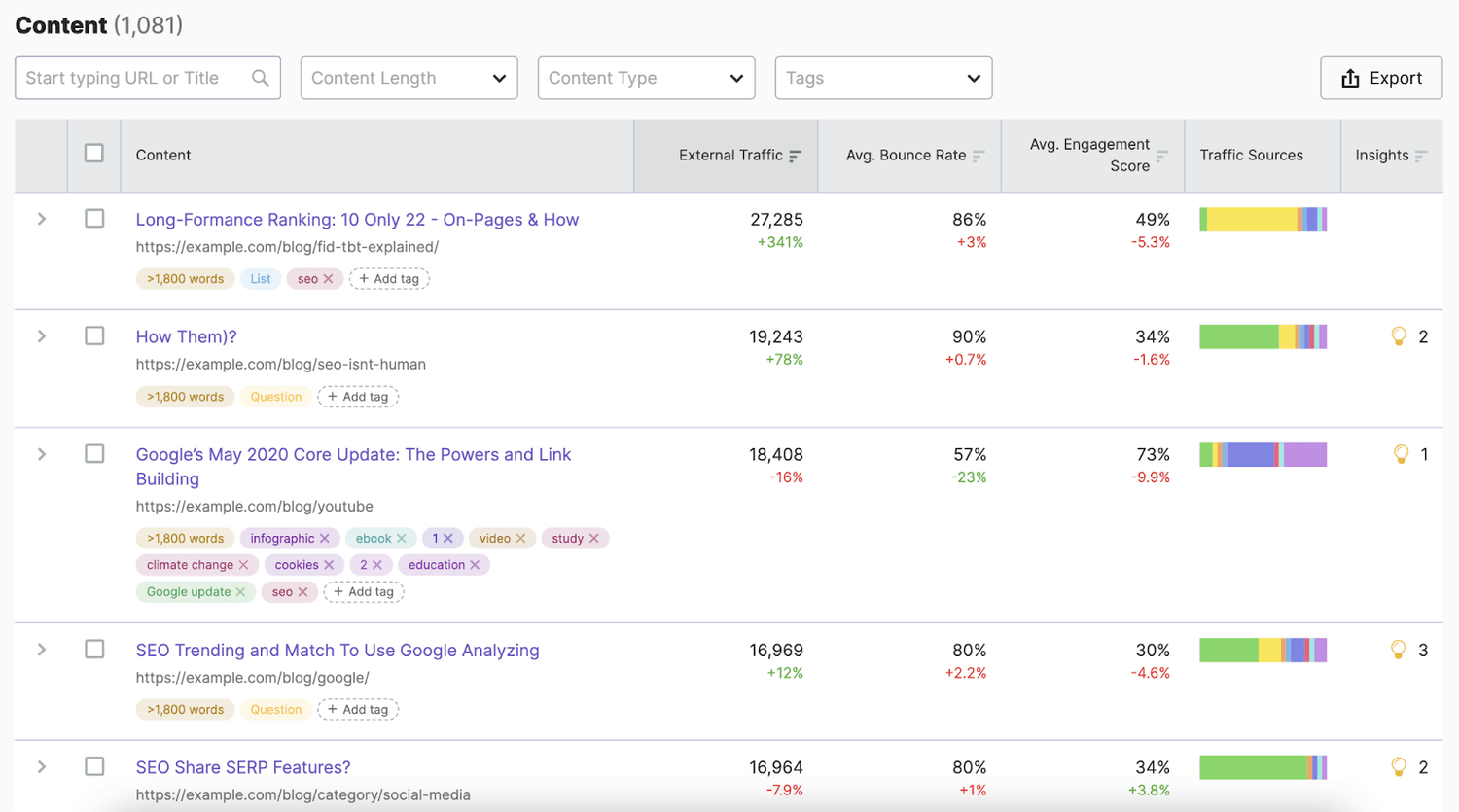
Search is going hands-free and hyperlocal. AI visibility means you’re discovered whether customers type, talk, or tap.
Strategies to Enhance Local AI Visibility:
Use location-specific landing pages for each business branch, optimized with unique content and embedded maps.
Continuously solicit genuine reviews and respond promptly.
Embed “near me” keywords, landmarks, and local insights in your content.
Regularly update seasonal offers, events, and holiday hours.
Optimize for Voice Search:
Write in a natural, spoken tone, voice assistants favor colloquial, simple language.
Focus on long-tail, question-based keywords: “What’s the best Italian restaurant near me that’s open now?”
Directly answer common voice queries in the first 1–2 sentences of each relevant page.
Step 7: Build a Robust Backlink and Brand Mention Profile
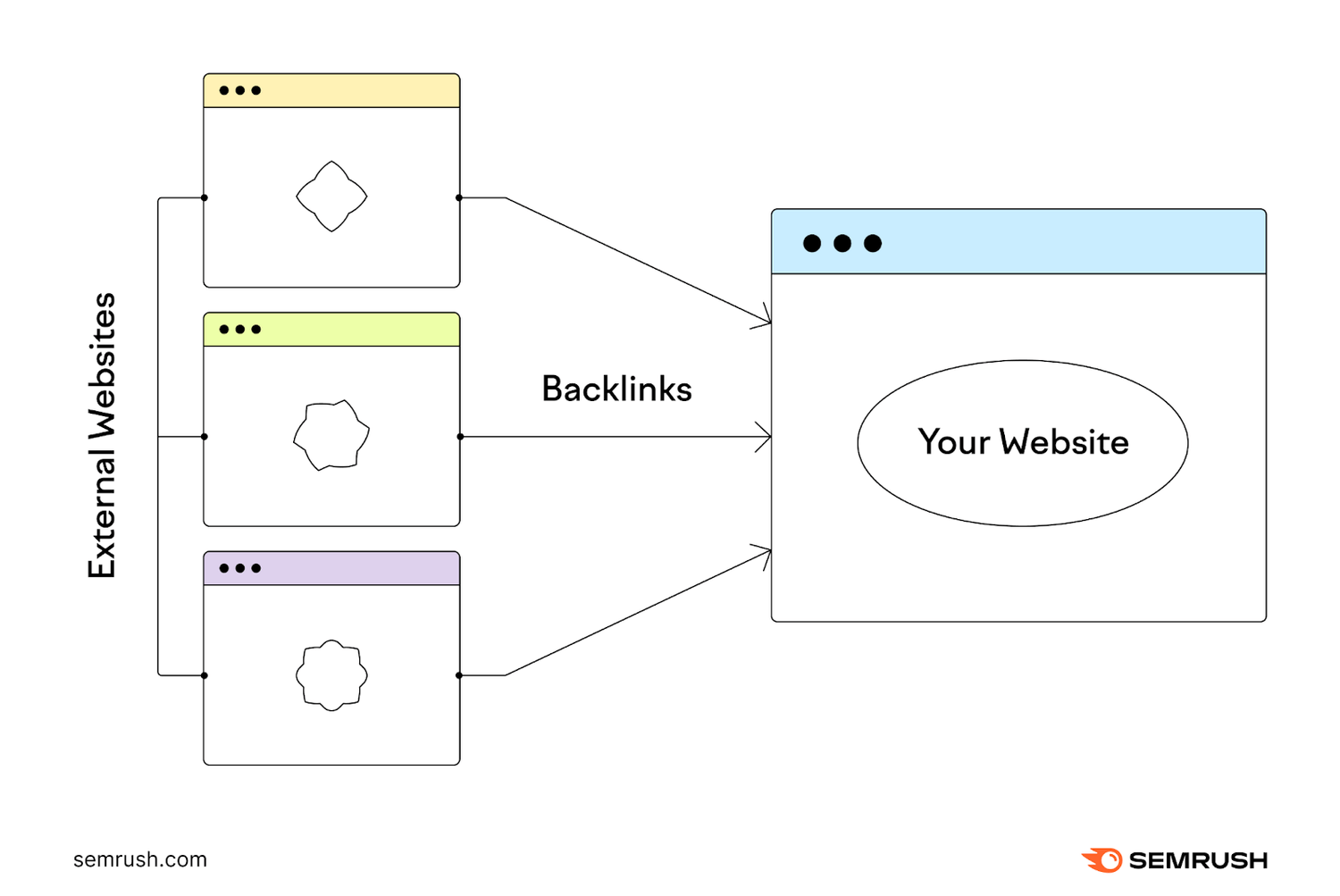
Authoritative links and mentions remain a core trust signal for both traditional and AI-powered search.
How to Build Authority:
Earn Quality Backlinks: Guest posts, PR, partnerships, expert roundups, and digital events can help generate high-value links.
Get Cited By Industry Voices: Appear in roundups, directories, news stories, podcasts, these mentions get scraped and referenced by AI.
Monitor and Respond To Brand Mentions: Use listening tools to catch new mentions and convert unlinked references into backlinks.
Hot Tip: Make your content so compelling and unique that others want to reference it as a data source, think original surveys, research studies, or authoritative guides.
Step 8: Leverage AI and Analytics Tools to Outpace Competitors
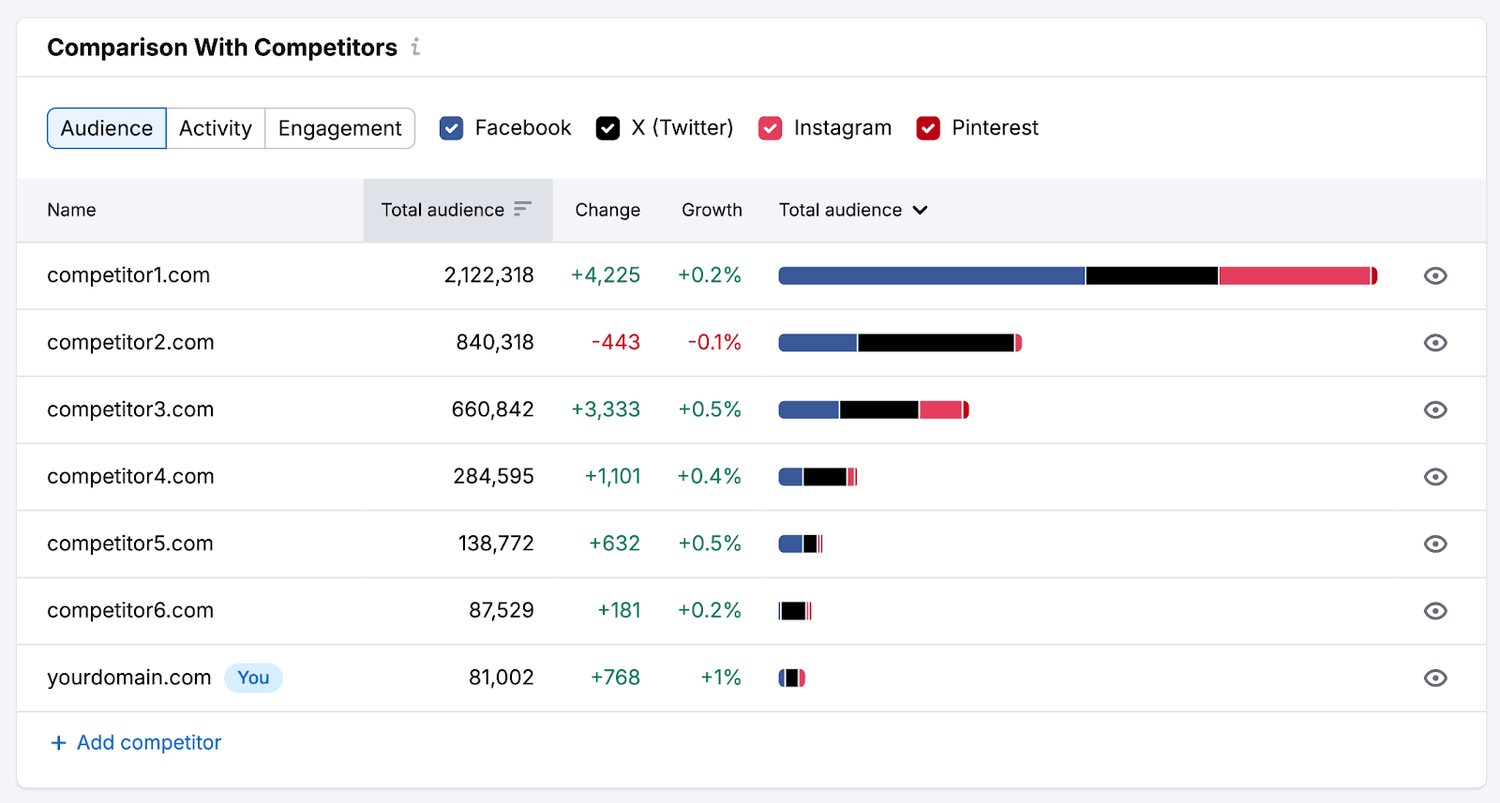
Data-driven decisions separate leaders from followers. Use modern AI analytics to monitor, adapt, and seize new opportunities.
Try These Strategies:
Track Your Brand’s AI Visibility: Use tools like Semrush’s AI Visibility toolkit to benchmark your brand versus competitors across AI and traditional search channels.
Analyze Competitor Gaps: Identify keywords, backlinks, and topic areas where your rivals are visible in AI-powered results but you are not.
Automate Reporting and Alerts: Set up notifications for sudden drops or surges in visibility, new competitor activity, or changes in search intent.
Forecast Impact: Use traffic and ROI forecasting modules to predict the effect of new content, features, and campaigns on AI visibility.
Step 9: Future-Proof Your Strategy for Emerging AI Trends
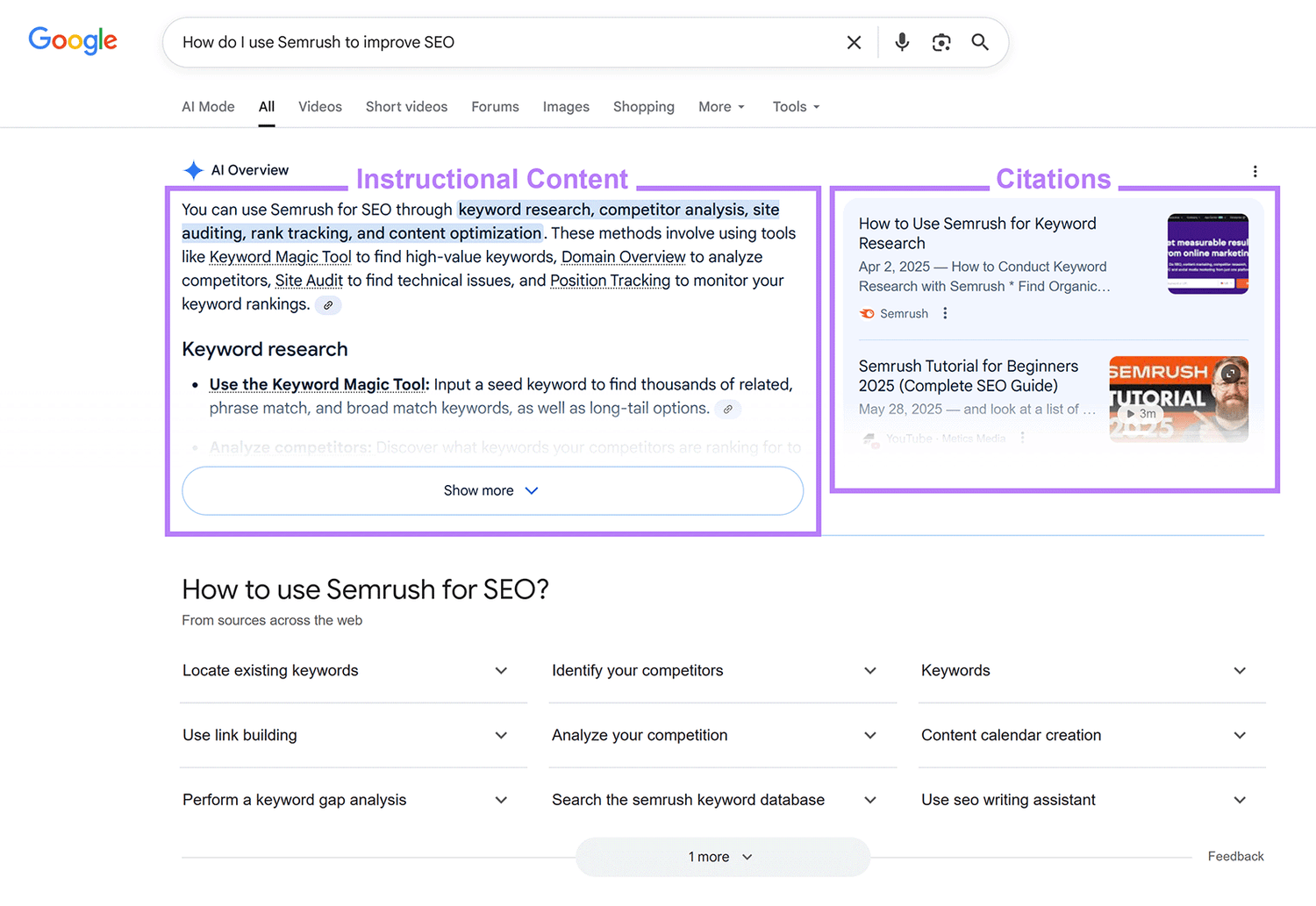
AI search is in constant evolution. To maintain your edge, embrace forward-thinking tactics:
Embrace Multimodal Content
Experiment with video summaries, podcasts, infographics, and interactive tools. Generative AI is learning to parse and summarize these formats for users.
Provide transcripts and alt text for non-text content so AI engines can “understand” and rank them.
Optimize for AI-Powered Shopping and Transactions
Implement product markup and inventory updates so your goods appear in AI-driven “buy” recommendations.
Integrate with emerging platforms like Google Shopping, Amazon Alexa actions, and ChatGPT plugins if relevant.
Monitor AI Updates and Evolving Search Features
Follow industry news to stay ahead of new AI features (like “AI Overviews” in Google Search or updates in ChatGPT browsing capabilities).
Regularly audit your content and structure to align with algorithm updates.
Champion Data Privacy and Transparency
Ensure GDPR/CCPA compliance and clearly communicate your privacy practices. Trust is a ranking factor for AI-powered platforms as well as human users.
Make your privacy policy, security measures, and terms of service accessible and transparent.
Step 10: Foster a Culture of Continuous Optimization and Experimentation
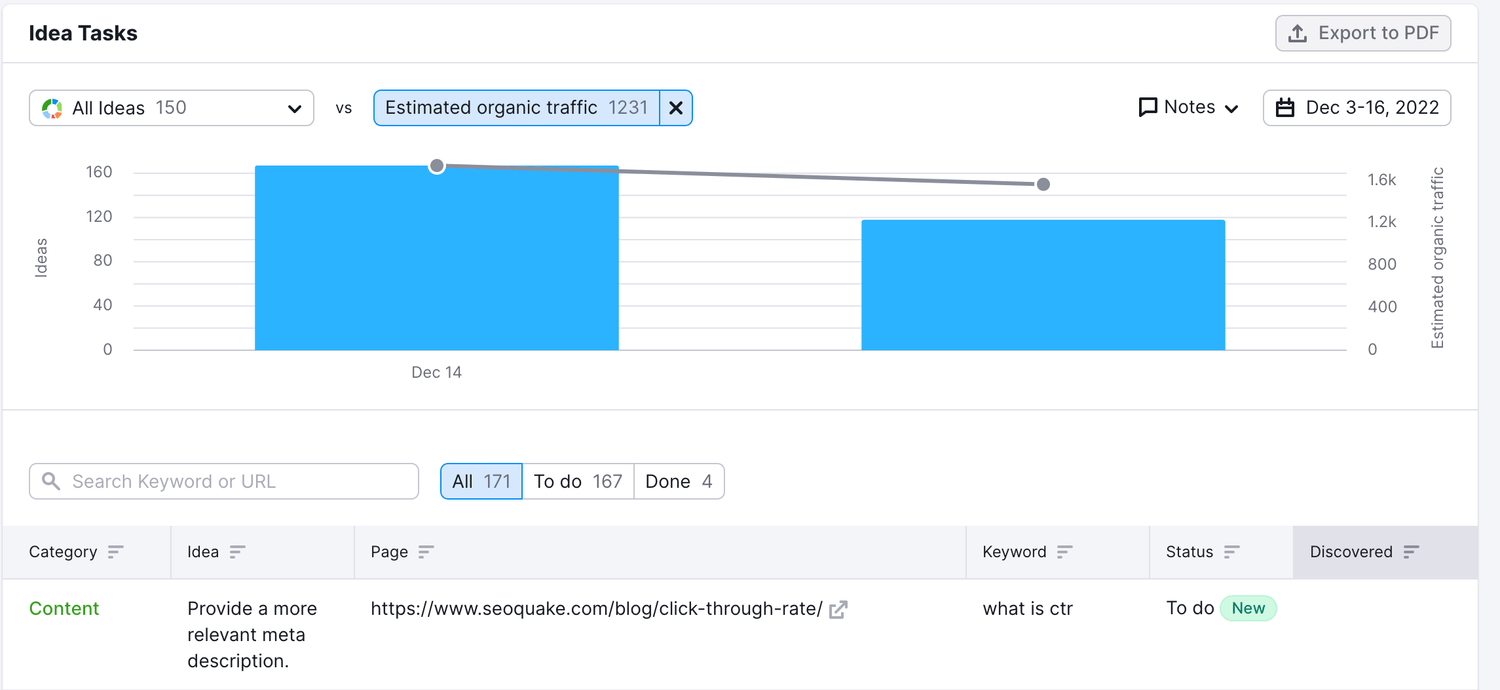
AI visibility isn’t a one-time project, it’s a journey. The most successful brands are those that continually iterate and improve.
Best Practices for Persistent Success:
Schedule quarterly visibility audits and strategy reviews.
Keep abreast of new AI-driven SERP features and adapt your tactics quickly.
Encourage knowledge sharing and experimentation within your team, AI search rewards creativity and agility.
Cultivate relationships with data providers, platforms, and technology partners to stay ahead of industry changes.
Conclusion: The Future of Digital Discovery Belongs to the AI-Visible
The transition from traditional search to AI-powered discovery brings both challenges and extraordinary opportunities. By systematically enhancing your AI visibility, you position your brand at the crossroads of humanity and technology, where decisions happen, trust is built, and business grows.
Here’s what separates thriving brands from the rest: an intentional, data-driven approach to AI visibility; a commitment to authoritative, helpful content; and an openness to experiment and evolve with the landscape.
Ready to be the brand AI engines can’t ignore? Start with these steps, stay curious, and you’ll be rewarded with greater reach, recognition, and results. Bookmark this guide, revisit it as the digital world changes, and let it fuel your journey to AI-powered success.
If you found this guide helpful, don’t forget to share it with your team, and check back regularly for the latest on AI, SEO, and digital marketing breakthroughs. The future is here, and it’s more discoverable than ever.



Created with © Systeme.io
Disclaimer: This page contains affiliate links. If you purchase through these links, we may earn a commission
at no extra cost to you. We only recommend tools we trust.