10 Reasons to Explore Semrush One's Latest Features: SEO Success
10 Reasons to Explore Semrush One's Latest Features: SEO Success
Introduction: The New Era of "Total Visibility"
In my fifteen years of navigating the search landscape, I have seen Google’s algorithm transform from a simple directory into a predictive powerhouse. We have survived the shift to mobile-first indexing, the rise of the Knowledge Graph, and the chaos of the "BERT" and "MUM" updates. But let me be perfectly clear: we are currently witnessing the most violent shift in search intent and user behavior since the inception of the search engine itself. If you are still defining success by the "ten blue links" on a traditional SERP, you aren't just behind the curve, you’re looking at half a map while your competitors are navigating with GPS.
The traditional organic click is being intercepted. Platforms like ChatGPT, Gemini, and Google’s own AI Overviews (AIO) are no longer experimental novelties; they are the primary interfaces for millions of users. Research now indicates that traffic from Large Language Models (LLMs) is poised to become up to 4.4 times more valuable than traditional search traffic. This isn't just a statistic; it’s a survival metric. Why? Because the users engaging with AI are further down the funnel. They aren't just "searching"; they are "prompting" for solutions, comparisons, and expert advice. They are warmer leads, ready to act, and looking for a definitive answer.
To survive this shift, your brand needs what I call "Total Visibility." This means being seen everywhere a discovery happens, whether it’s a conversational response in Gemini or a citations list in an AI Overview. To facilitate this, Semrush has evolved. They have introduced Semrush One, the strategic unification of the world-class SEO Toolkit and the cutting-edge AI Visibility Toolkit.
As Andrew Warden, CMO at Semrush, puts it: “By combining SEO and AI into one intelligence layer, Semrush One gives marketers the power to influence every moment of discovery and turn insights into performance. It's the advantage modern marketing was missing.”
This article isn't just a list of features; it’s a strategic manifesto for the next decade of search. We are moving from a world of "rankings" to a world of "mentions and citations." Here are ten reasons why your strategy must integrate Semrush One today if you intend to remain relevant tomorrow.
Reason 1: Tracking Brand Presence Across the AI Ecosystem
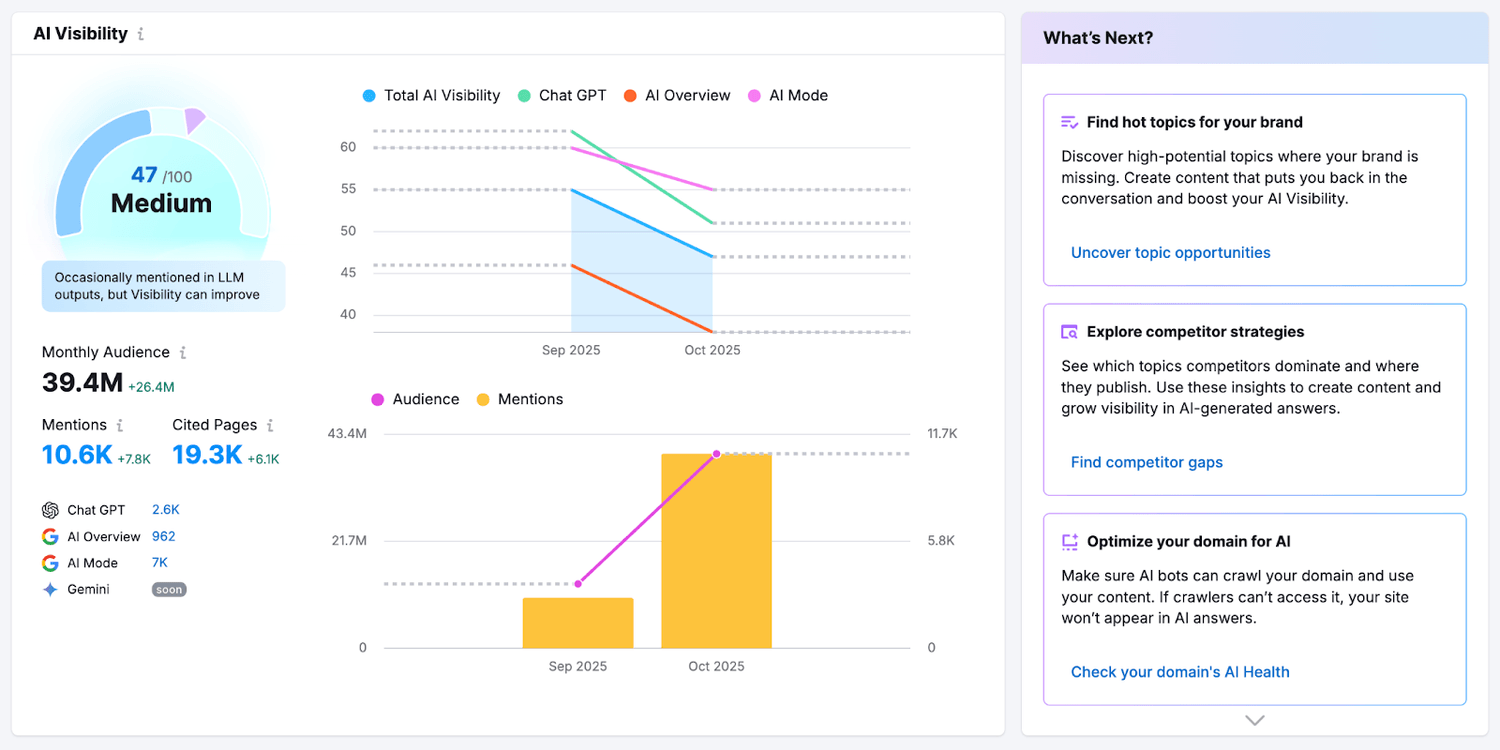
In the legacy era of SEO, we obsessed over Google, Bing, and perhaps a bit of Yahoo. Today, that narrow focus is a liability. Your customers are spending their time in ChatGPT, Gemini, and Google’s AI Mode. If your brand isn't appearing there, you don't exist to those users. Semrush One solves this by expanding your monitoring beyond the traditional SERP and into the heart of the generative ecosystem.
The centerpiece of this capability is the Visibility Overview. This isn't just another dashboard; it’s a baseline for your digital reputation in the age of AI. It provides a monthly update and historical record of how AI platforms treat your content.
The Workflow for Total Presence:
Navigate to the AI menu, select AI Visibility, and click Visibility Overview.
Enter your domain and hit the Check AI Visibility button.
Once your report is ready, use the All AI Platforms bar to toggle between specific environments like ChatGPT, AI Overview, AI Mode, or Gemini.
The metrics here are game-changers for the modern SEO lead. You gain access to:
AI Visibility Score: A comparative metric that shows how often AI platforms mention your brand versus your primary rivals.
Performing Topics: The specific clusters of prompts that currently result in your website being cited.
Cited Sources: A list of the most trusted domains in your industry according to LLMs.
Cited Pages: The exact URLs on your site that AI platforms view as authoritative enough to reference.
Strategic Deep Dive: The Retail Visibility Gap Imagine you are the SEO Director for a high-end sustainable footwear brand. Your traditional rankings for "best sustainable sneakers" are solid, holding position #2 for three years. However, when you run a Visibility Overview, you realize that for the prompt "What are the most durable eco-friendly running shoes for marathon training?", your brand is entirely absent from the ChatGPT response. Instead, a smaller competitor is cited three times. This reveals a "Topic Opportunity." You realize your content ranks for keywords but fails to provide the authoritative, data-backed depth that an LLM requires to cite you as a solution. By identifying this gap in Semrush One, you can pivot your content strategy to address these specific situational prompts, reclaiming visibility where the most valuable users are actually looking.
Reason 2: Treating AI Prompts as the "New Keywords"
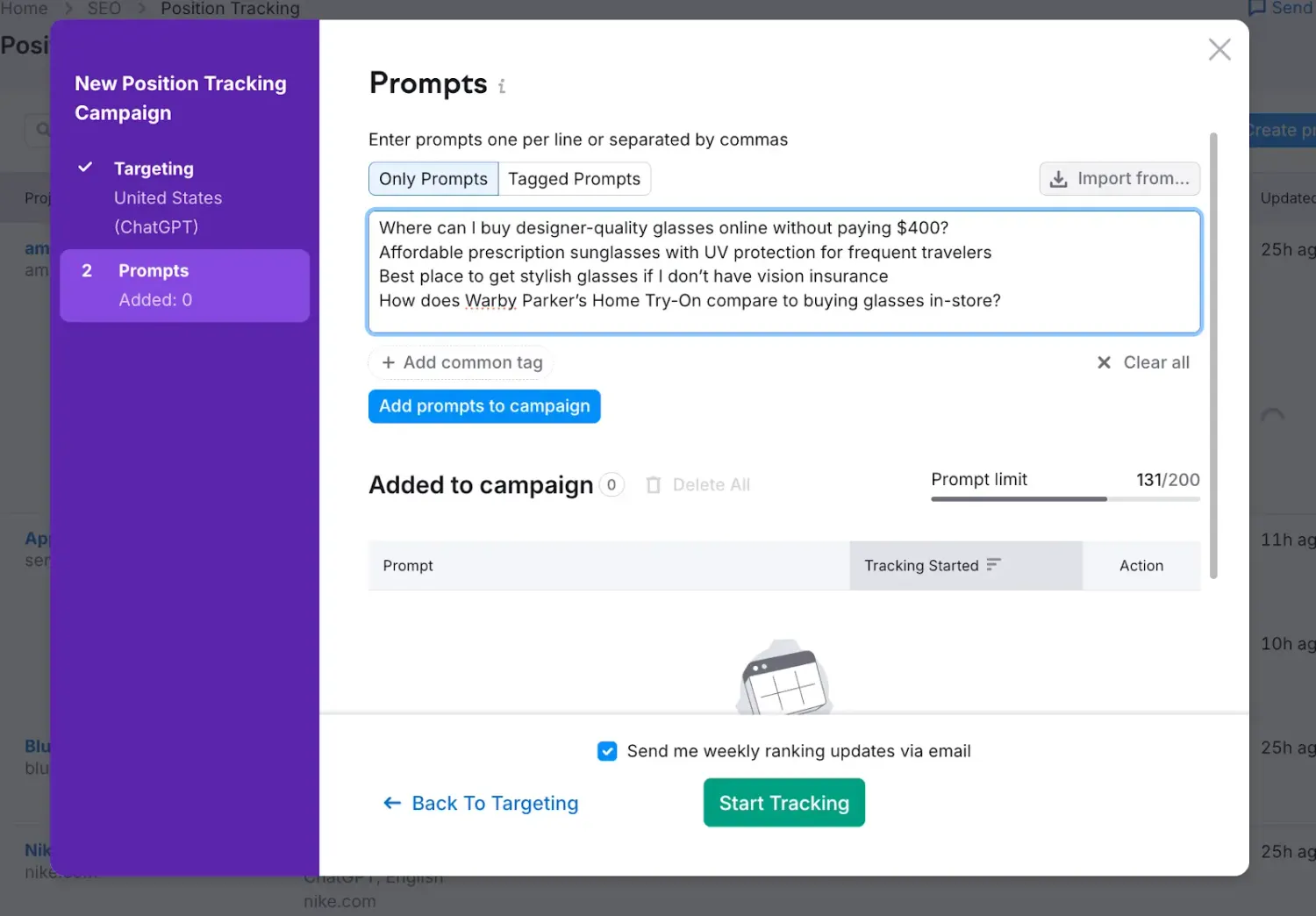
The era of the "short-tail query" is dying. Users no longer type "eyeglass repair near me" into a box and hope for the best. Instead, they provide context. They ask: "What's the best way to fix scratched eyeglass lenses at home?" or "How long does it typically take to repair or replace glasses lenses if I have a high-index prescription?" These aren't keywords; they are prompts.
In my experience, the mistake most brands make is trying to optimize for AI using old keyword research methods. Semrush One introduces Prompt Research, which recognizes that prompts are the new atomic unit of search. These prompts are highly descriptive and reveal the searcher's persona, their specific pain points, and their desired outcomes.
The Prompt Research tool organizes billions of real-world prompts into meaningful topics, allowing you to see the forest for the trees.
You can evaluate these opportunities through:
AI Volume: An estimate of how frequently a topic is raised across AI platforms.
Intent: Specifically identifying "Task Intent," which signals that the user wants the AI to perform an action or generate an output, a high-conversion signal.
Brands Mentioned: A competitive metric showing how many unique brands are currently appearing in LLM responses for that topic.
Hypothetical Use Case: The B2B SaaS Transition Consider a mid-market CRM provider. Their traditional strategy focused on the keyword "CRM software for manufacturing." However, Prompt Research reveals that their target audience is actually asking AI: "How to integrate CRM with legacy ERP systems for mid-sized manufacturing without losing historical data?"
By identifying this prompt, the content team realizes they don't need another generic "What is CRM" blog post. They need a technical integration guide that specifically mentions legacy ERP systems. They move from high-competition, low-context keywords to high-value, high-context prompts. In the next internal strategy meeting, instead of reporting on keyword rankings, the SEO lead shows how the brand now owns the "Integration Narrative" within AI platforms, positioning the company as the technical authority in the manufacturing space.
Reason 3: Daily Performance Tracking for Custom Prompts
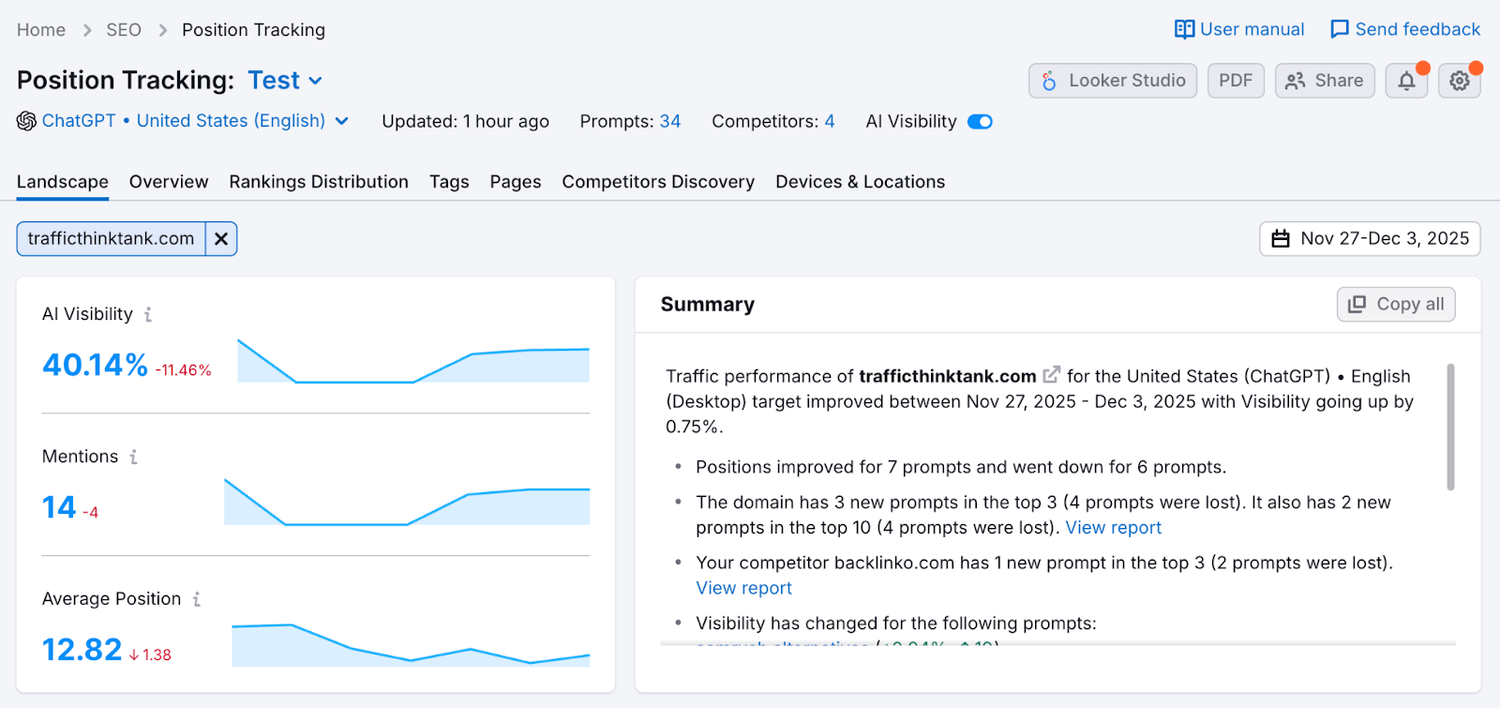
If you are only checking your AI visibility once a month, you are flying blind. AI outputs are dynamic; they evolve as LLMs are updated and as new content is ingested. To maintain a competitive edge, you need the same daily precision for prompts that you have for keywords.
Semrush One integrates Prompt Tracking directly into the Position Tracking tool. This allows you to monitor your brand’s presence in AI answers with daily updates. This is critical because knowing exactly when you gain or lose a citation allows you to react before a competitor’s position becomes entrenched.
The Setup Workflow:
Go to AI > AI Visibility > Prompt Research.
Enter your core topic and analyze the results.
In the Prompts tab, identify the questions most critical to your ROI.
Click the Monitor button for each specific prompt.
In the Set up Prompt Tracking pop-up, schedule your tracking to begin.
The "Vibe Shift" Strategy The real value of daily updates is detecting a "vibe shift" in how AI perceives your industry. For example, a fintech company might track the prompt "Safe high-yield savings accounts." If they notice their citation disappears on a Tuesday, they can immediately investigate. Did a competitor publish a new "Best of" list? Did a major news outlet mention a rival? With Prompt Tracking, you can open the prompt, see which pages the AI now prefers, and determine what those pages do differently, perhaps they added a more recent data table or an expert quote, enabling you to update your content by Wednesday and reclaim your spot by Friday.
Reason 4: Decoding AI-Attributed Brand Sentiment
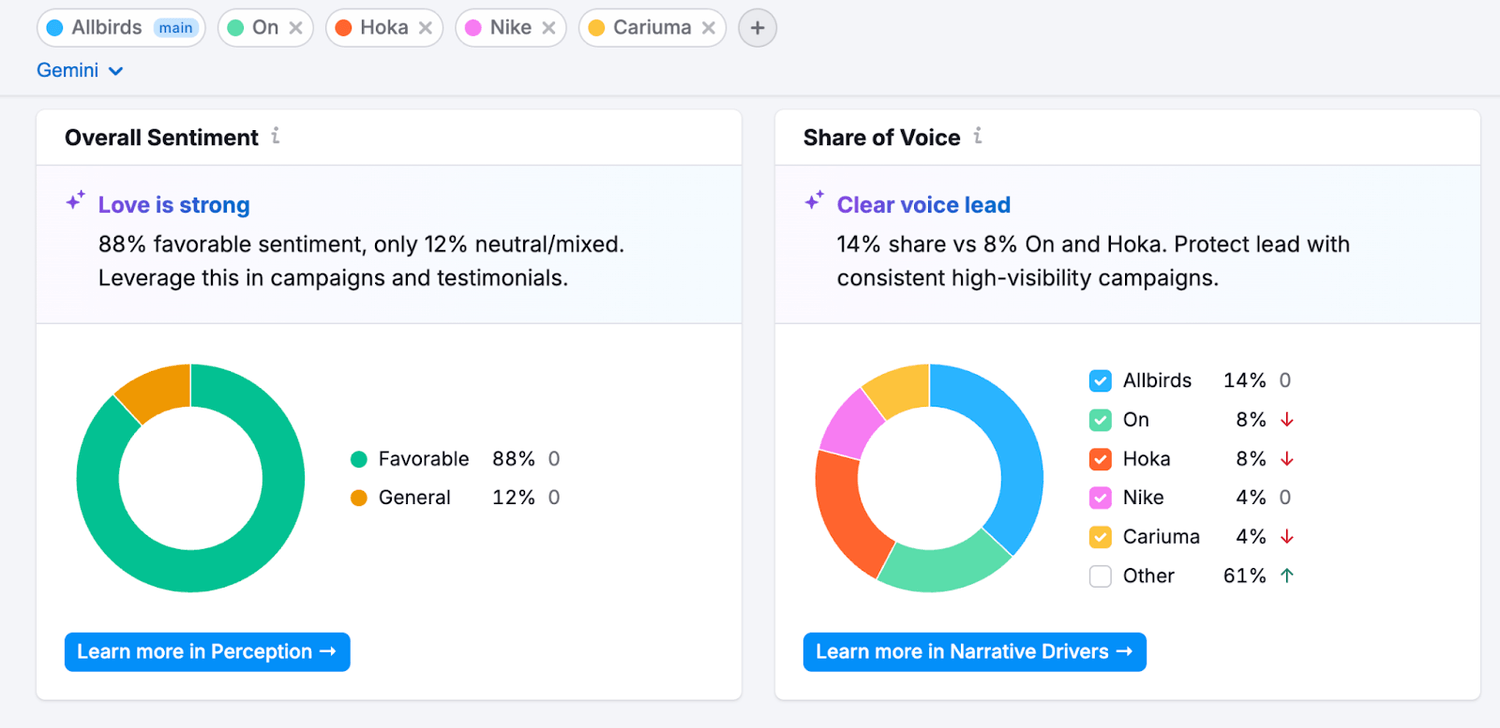
Visibility is vanity if the sentiment is negative. It is not enough to be mentioned; you must be mentioned favorably. If an AI platform cites your brand but frames your product as "outdated" or "difficult to use," that LLM is actively de-marketing your brand to every user who asks a question.
Semrush One addresses this with AI-attributed brand sentiment analysis.
It classifies mentions into:
Favorable: Highlighting strengths and positive attributes.
General: Referencing the brand neutrally.
You can monitor this via the Perception Report (found under AI > AI Visibility > Brand Performance). This report provides the Key Sentiment Drivers, the specific reasons why AI likes or dislikes your brand.
The Coalition Technologies Case Study: A Strategic Correction Let’s look at a real-world application. Coalition Technologies represented a client selling military surplus gear. They discovered through Semrush One that ChatGPT was consistently mislabeling this gear as "outdated technology." While the brand had high visibility, the sentiment was damaging.
The strategy wasn't just to "get more links." The team systematically refreshed the messaging on the brand's "About" page, homepage, and social profiles to emphasize that "surplus" meant "rugged and battle-tested," not "obsolete." By using specific, clarifying language that LLMs could easily ingest, they steered the AI responses back toward accuracy. Within weeks, the Perception Report showed a shift from "General" (with negative undertones) to "Favorable." This is the power of sentiment data: it tells you not just that you are failing, but why, and exactly what content needs to be rewritten to fix the narrative.
Reason 5: Technical Readiness with AI-Ready Site Audits
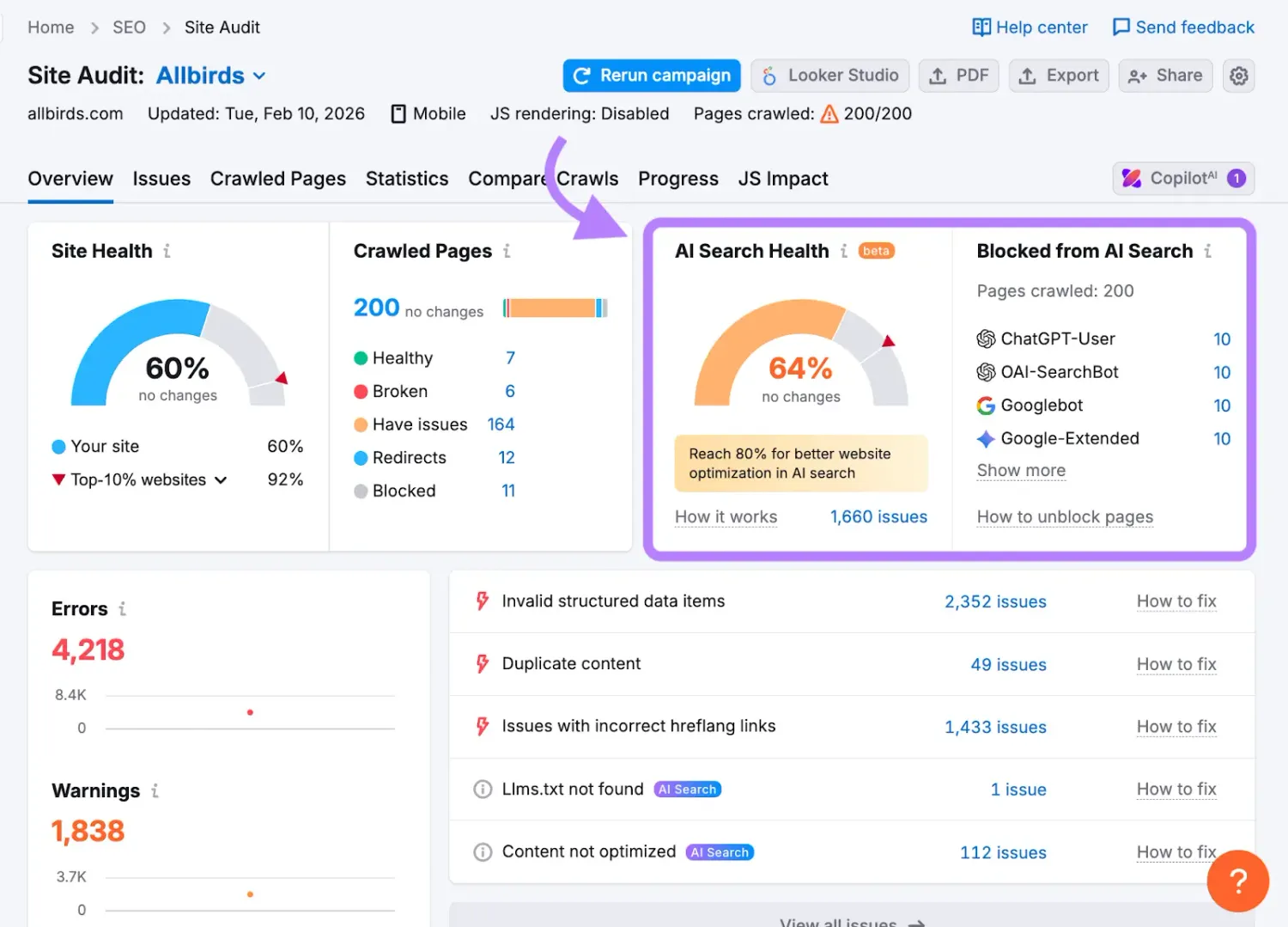
A website that is technically perfect for Google’s 2022 algorithm might be completely invisible to an LLM in 2026. Traditional audits focus on page speed and broken links. While these matter, Semrush One introduces the AI Search Health check, designed to identify the technical hurdles that prevent AI crawlers from accessing and understanding your content.
How to Conduct an AI-Ready Audit:
Navigate to AI > AI Visibility > Site Audit.
Choose an existing project or click + Create SEO project.
In the Overview tab, locate the AI Search Health and Blocked from AI Search widgets.
Click the highlighted issues to see the technical roadblocks.
Technical Deep Dive: The llms.txt and Crawlability The mistake most brands make is assuming that if Googlebot can see it, an LLM bot can too. This isn't always true. Semrush One checks for the presence and configuration of an llms.txt file, the new version of robots.txt specifically for the generative era. This file guides LLMs on how to ingest your data.
Furthermore, the audit identifies content locked in "unsupported formats." Many brands have high-value research buried in complex PDFs. While Google can index a PDF, LLMs often struggle to extract the nuanced context needed for a high-quality citation. If your AI Search Health score is low, the recommendation might be to convert those PDFs into crawlable, structured HTML pages with clear H1 and H2 tags that mirror the questions users are asking in prompts.
Reason 6: Benchmarking Competitor AI Visibility
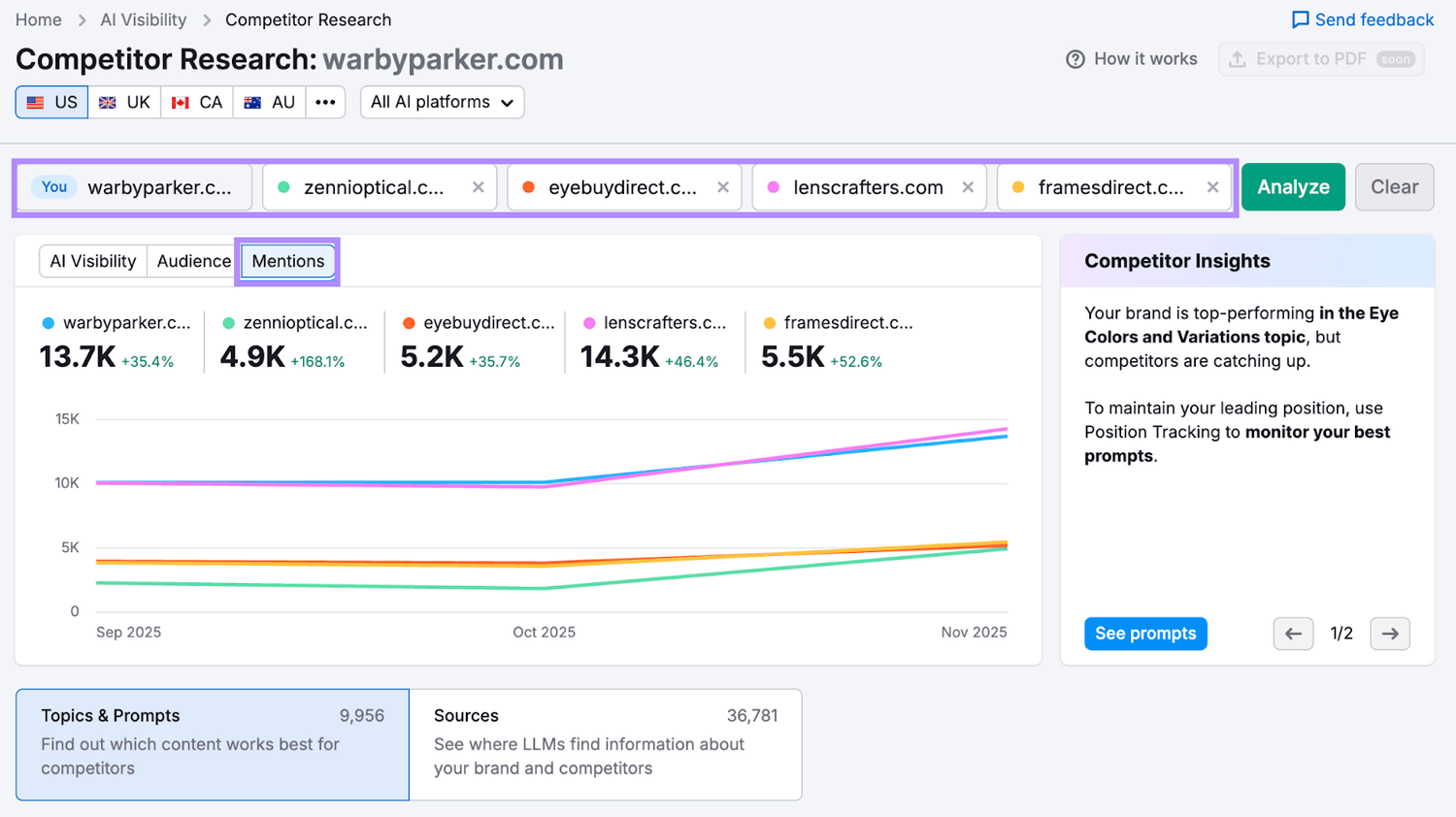
In the AI era, search is a winner-take-all game. AI platforms typically cite only a small "circle of trust", usually just 3 to 5 sources per response. If you aren't in that top five, your Share of Voice is effectively zero for that prompt. To win, you must know exactly where your competitors are being cited and why you are being left out.
The Competitor Research report in Semrush One allows for a sophisticated AI visibility gap analysis. By filtering for Missing and Weak topics, you can identify exactly where your rivals are dominating the conversation.
The "Circle of Trust" Strategy: If you see that three competitors are consistently cited for "best enterprise cybersecurity tools," don't just write a blog post with that title. Look at the Cited Pages for those competitors within the report. Are they using original research? Do they have a comparison table that the AI is scraping? By understanding the structure of the content that AI trusts, you can build a superior page. The goal is to move from a "Weak" mention to becoming a "Core Source." Remember, if you aren't in that circle of 3-5 sources, you aren't just in second place, you're invisible.
Reason 7: Quantifying AI Share of Voice (SoV)
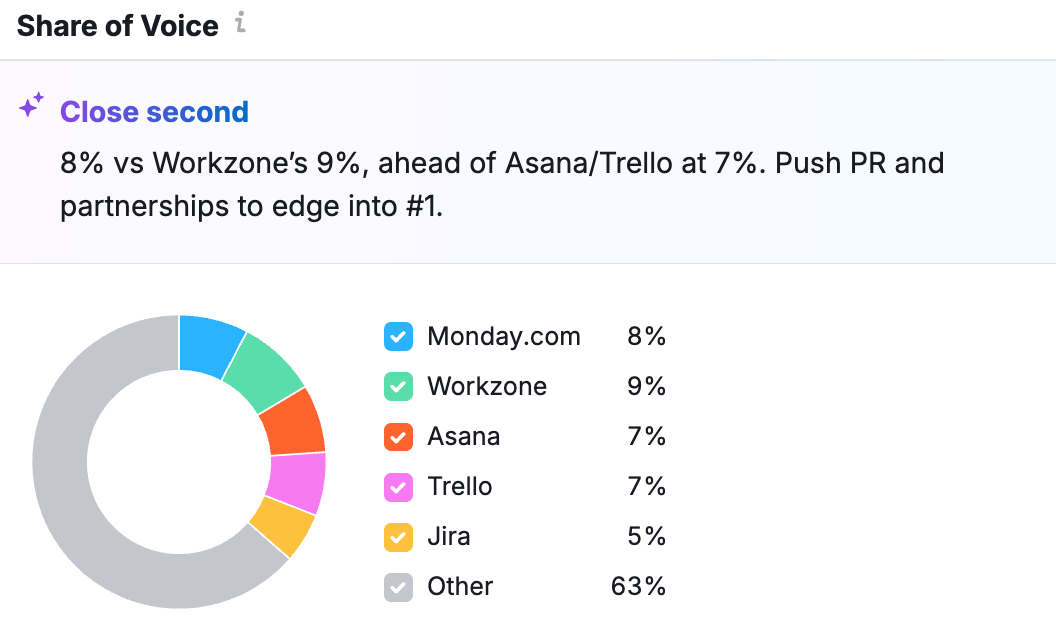
For the C-suite, rankings are often too granular. They want to know the "big picture" of brand influence. Semrush One provides this through AI Share of Voice (SoV) for non-branded questions. This metric measures your brand's overall influence in the market for queries where the user hasn't yet specified a provider.
You can find this in the Narrative Drivers report under the Share of Voice by Platform section. This allows you to see how your brand performs across different engines like Perplexity, ChatGPT, and Gemini.
The Executive SoV Report: In my experience, using SoV as a directional metric is the best way to prove the ROI of AI SEO. For instance, if you are a health-tech brand, you can show that while your traditional organic traffic is stable, your Share of Voice on Perplexity for "heart monitor accuracy" has grown by 15% following a specific content update. This tells stakeholders that your brand is becoming the preferred authority for the next generation of searchers, securing future market share before the traditional traffic even starts to shift.
Reason 8: A Unified Content Workflow (From Research to AI Writing)
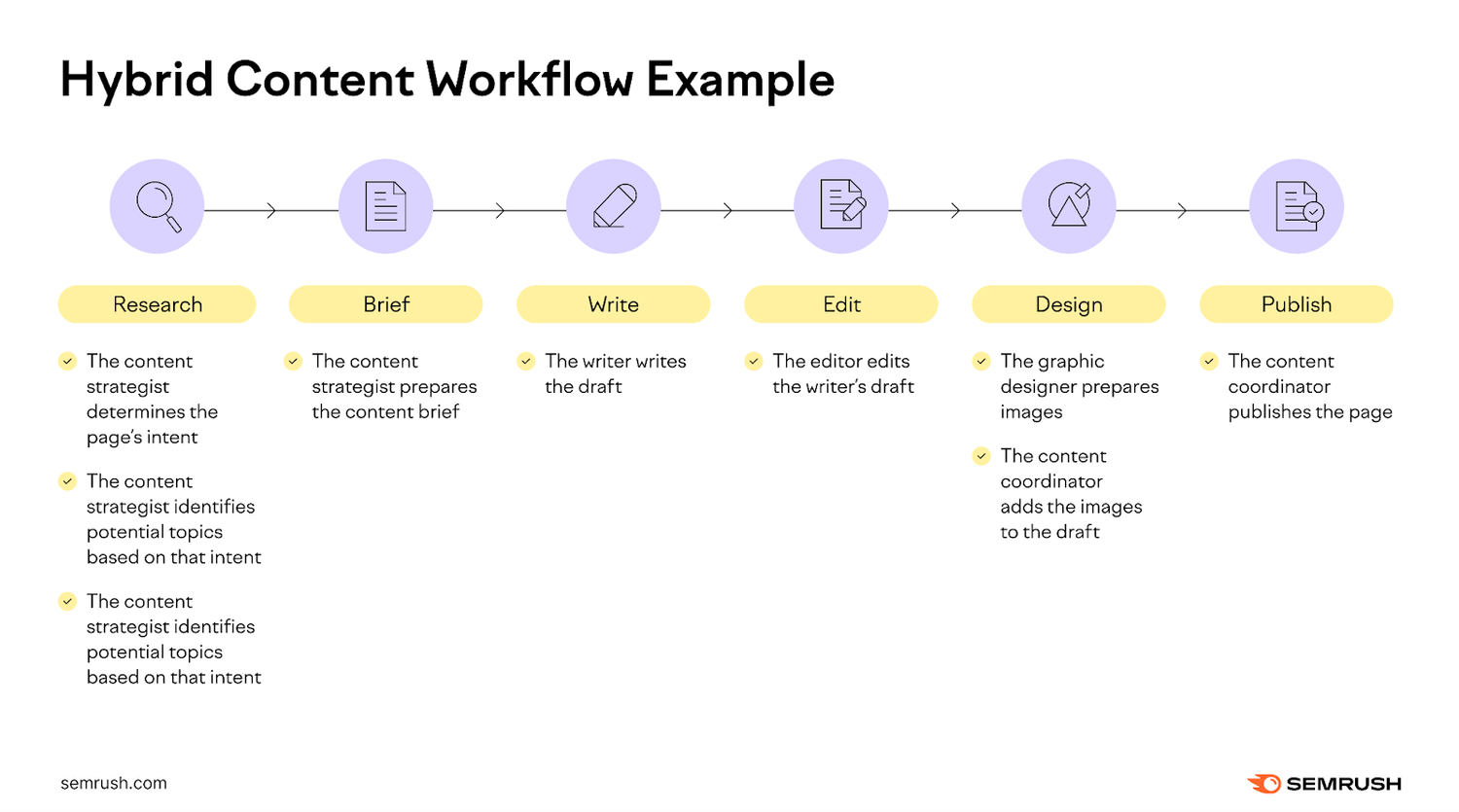
Tool fatigue is the silent killer of marketing productivity. Jumping between a research tool, a planning doc, and a CMS leads to fragmented strategy and lost data. Semrush One eliminates this by unifying the workflow into the Content Toolkit.
The loop is seamless:
Topic Research: Use the Cards and Explorer tabs to find gaps and high-volume questions. Use the Favorite Ideas tab to bridge the gap between your research and the next step.
SEO Content Template: Generate a blueprint for your content based on the top-ranking rivals, including structure and readability targets.
SEO Writing Assistant: Draft your content while the tool scores it across four pillars: SEO, Readability, Tone of Voice, and Originality.
The AI Article Generator Warning: While Semrush One offers an AI Article Generator to accelerate production, a veteran strategist knows that AI-generated content must be held to a higher standard. Use the SEO Writing Assistant to ensure that any AI-generated draft still meets your brand's unique tone and provides the original insights that LLMs require for a citation. The tool ensures your content isn't just "more noise," but a high-quality asset that humans and bots alike will trust.
Reason 9: Turning AI Insights into Actionable Recommendations
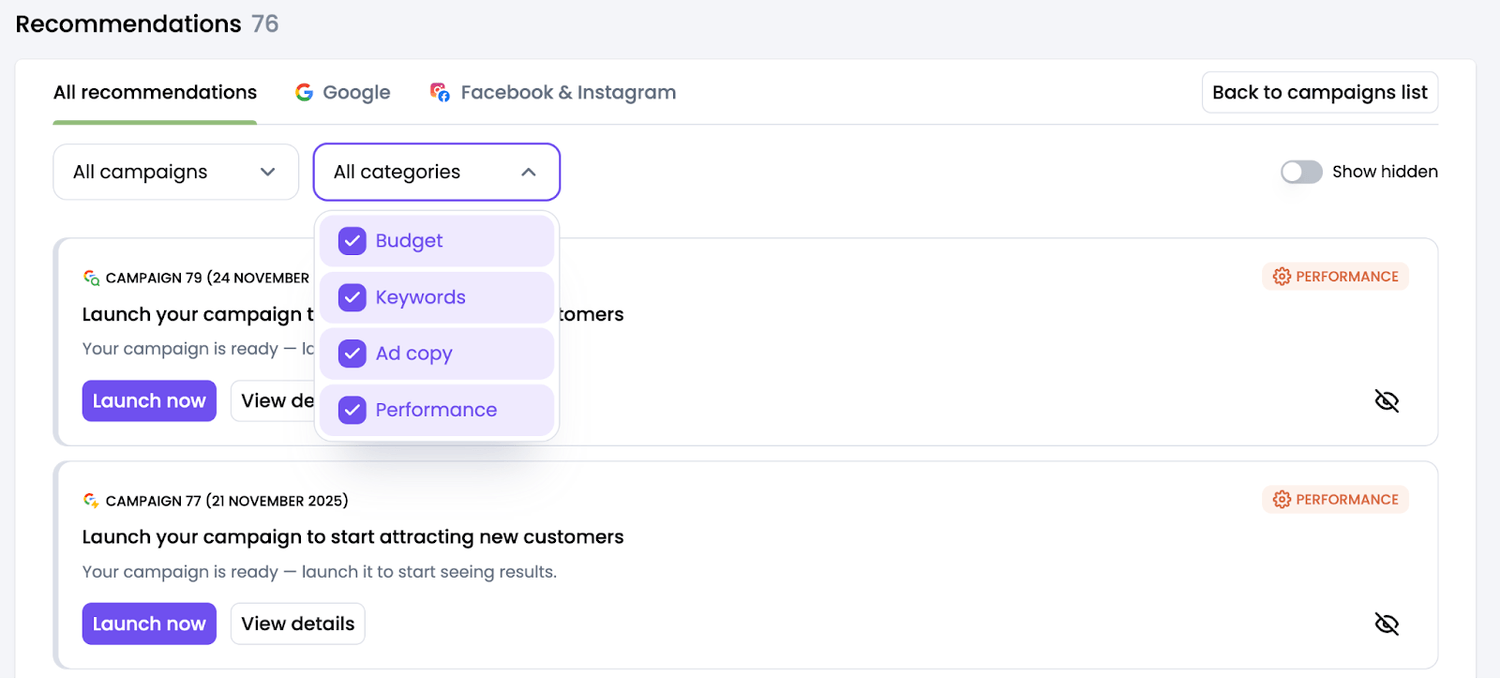
Data without a "So What?" is just noise. Semrush One goes beyond reporting to provide AI-powered optimization recommendations. The Narrative Drivers and Questions reports are specifically designed to turn patterns into tasks.
Actionable Strategy: The "Questions" Goldmine Imagine you represent a travel insurance brand. The Questions report reveals that users are frequently asking AI: "Does travel insurance cover digital nomads working in multiple countries?" If your current site only discusses "vacation insurance," you have a massive opportunity.
The tool will suggest:
Adding an FAQ section to your existing nomadic insurance page.
Creating a "Best of" comparison page for digital nomad plans.
Using the Key Business Drivers chart to see if AI recognizes your "multi-country coverage" as a strength. If it doesn't, you need to emphasize that feature more clearly in your H2s and bullet points so the LLM can't miss it.
Reason 10: The Unified SEO and AI Performance Dashboard
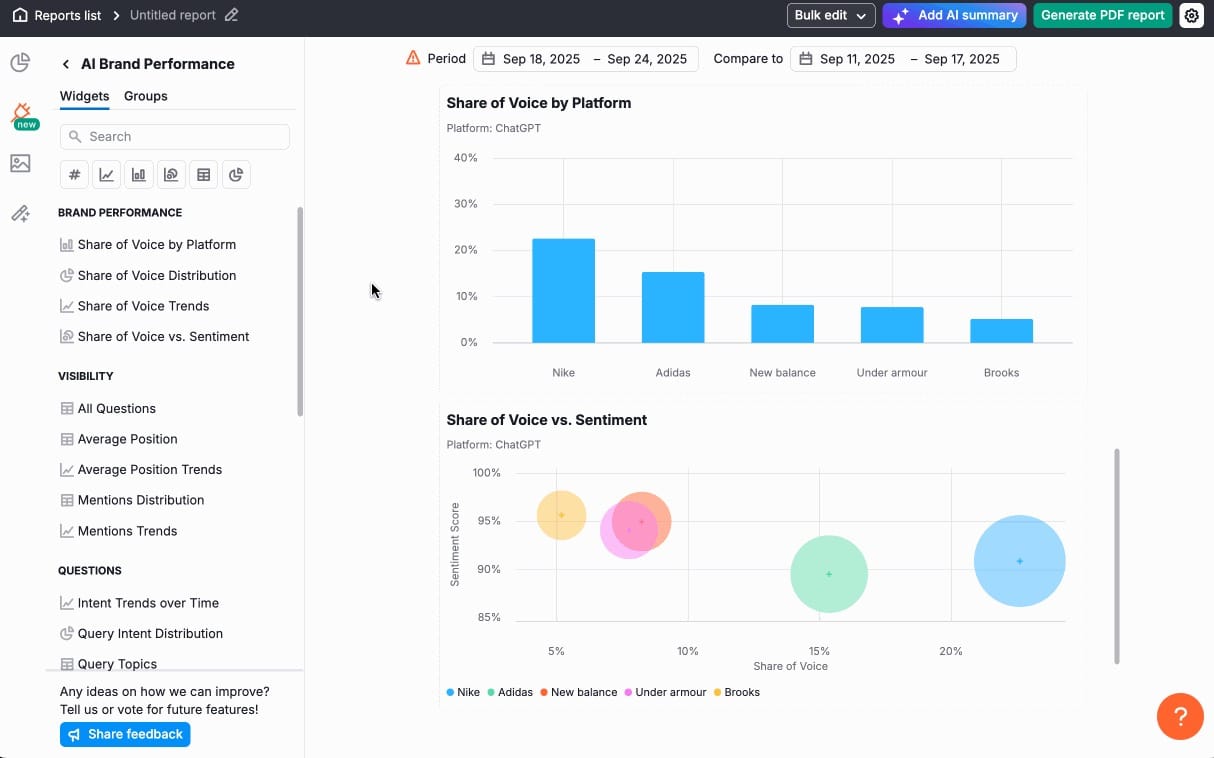
The final reason to adopt Semrush One is the Unified Dashboard. This is where the circular loop of modern marketing comes together. You can see your Authority Score and Organic Traffic side-by-side with your AI Mentions and Cited Pages.
Reporting to Stakeholders: Using the My Reports feature, you can drag and drop widgets for AI Brand Performance, GA4 data, and Position Tracking into a single, professional PDF or a Looker Studio report. This allows you to show the complete picture. If organic traffic is flat but AI citations are skyrocketing, you can explain that the brand is successfully capturing the 4.4x value shift toward LLMs. It allows you to prove that your SEO strategy is future-proof.
Frequently Asked Questions (FAQ)
1. What Are the Latest Features of Semrush One?
Semrush One integrates the traditional SEO Toolkit with a new AI Visibility Toolkit to offer several groundbreaking capabilities:
AI Visibility Tracking: Monitor how often and in what way your brand is mentioned or cited across platforms like ChatGPT, Gemini, and Google’s AI Mode.
Prompt Research and Tracking: Treat AI prompts as the "new keywords" by identifying high-volume topics people ask AI and tracking your brand's daily performance for specific custom prompts.
AI-Attributed Brand Sentiment: Analyze the tone of AI responses to see if your brand is being described favorably, generally, or incorrectly.
AI-Ready Site Audits: Conduct technical checks to ensure AI crawlers can access and understand your content, including checks for llms.txt files and unsupported formats like complex PDFs.
AI Share of Voice (SoV): Measure your brand's influence for non-branded questions compared to competitors across different AI engines.
Unified Dashboards: View traditional SEO metrics (Authority Score, organic traffic) alongside AI metrics (mentions, cited pages) in a single interface.
2. Why Should Marketers Embrace Semrush One's New Features?
Marketers must adapt because AI platforms are intercepting traditional organic clicks. Research suggests that traffic from Large Language Models (LLMs) could become up to 4.4 times more valuable than traditional search traffic because these users are often further down the funnel and ready to act. Furthermore, AI platforms typically only cite a "circle of trust" consisting of 3 to 5 sources; failing to appear in these responses makes a brand effectively invisible in conversational search. Embracing these features allows marketers to fix brand misrepresentations, identify "Topic Opportunities" where competitors are winning, and secure a first-mover advantage in the AI era.
3. When Will Semrush One's New Features Be Available for Use?
The features described in the sources are available now. Semrush One was detailed in reports starting in early 2026, and the platform currently offers a 7-day free trial for users to explore these latest features, including the AI Visibility Checker and Prompt Research tools.
4. How Will Semrush One Shape the Future of Marketing?
Semrush One signals a fundamental shift from a world of "rankings" to a world of "mentions and citations". It shapes the future by:
Unifying Workflows: Moving away from fragmented tools by combining research, planning, and AI-powered content optimization into a single intelligence layer.
Defining "Total Visibility": Forcing brands to be present everywhere discovery happens, whether through a traditional blue link or a conversational AI response.
Actionable AI Insights: Using "Narrative Drivers" and "Questions Reports" to turn AI data into specific tasks, such as creating targeted FAQ sections or comparison pages based on real user prompts.
5. Where Can You Find the Best Resources for Using Semrush One?
Semrush provides several educational and strategic resources for mastering the new platform:
Educational Platforms: The Semrush Academy offers courses on how AI is changing search, and the Knowledge Base provides technical documentation for every tool.
Strategic Research: The AI Visibility Index reveals which brands are currently winning in AI search and the strategies they use.
Advanced Content: Users can access webinars, white papers, and intelligence reports (such as the "Global Engagement Index") to stay ahead of industry trends.
Community and Events: Marketers can attend events like Spotlight for practical strategies and expert feedback on their search evolution.
Conclusion: Taking Control of Your AI Presence
We are in the midst of a search revolution. The brands that secure AI citations today will own the market share of tomorrow. With a database of 27 billion keywords and over 213 million LLM prompts at your fingertips, Semrush One provides the data moat you need to stay ahead.
By benchmarking your performance, diagnosing technical hurdles with AI site audits, and optimizing your content for both humans and AI bots, you can ensure your brand remains the definitive answer in your industry.
Take Action Today: Don't let your competitors define your narrative. Start your 7-day free trial of Semrush One and run your first AI visibility checkup.
Pro Tip: Lead With the Answer To maximize your chances of being cited by an LLM, always lead with the answer. If your content is addressing a specific prompt like "What is the best way to clean a DSLR sensor?", start the section with a clear, direct definition or a 1-2-3 step list. Avoid long, flowery introductions. AI systems prioritize clarity and conciseness, give them the answer on a silver platter, and they will give you the citation.



Created with © Systeme.io
Disclaimer: This page contains affiliate links. If you purchase through these links, we may earn a commission
at no extra cost to you. We only recommend tools we trust.