What Is AI Visibility and Why Does It Matter for Modern Brands?
AI Visibility: What It Is and Why It Matters for Success in the New Digital Age
Imagine a world where decisions about what to read, what to buy, and even whom to trust are shaped not just by people, but by machines, algorithms that “see” the internet through their own lens. That world is already here. The rise of generative search engines, AI-powered assistants, and language models (think ChatGPT, Gemini, and even your smartphone’s built-in search) has introduced a new kind of digital contest: AI Visibility.
For brands, businesses, creators, and anyone who wants influence in the digital sphere, understanding and optimizing for AI visibility is no longer a futuristic concept, it’s an urgent competitive necessity. But what is AI visibility? How is it different from the SEO you’re used to? And why does it matter so much right now?
Buckle up. In this guide, we’ll break down everything you need to know, whether you’re a marketer, a business leader, a content creator, or just curious about how the digital world is changing, fast.
Cracking the Code: What Is AI Visibility?
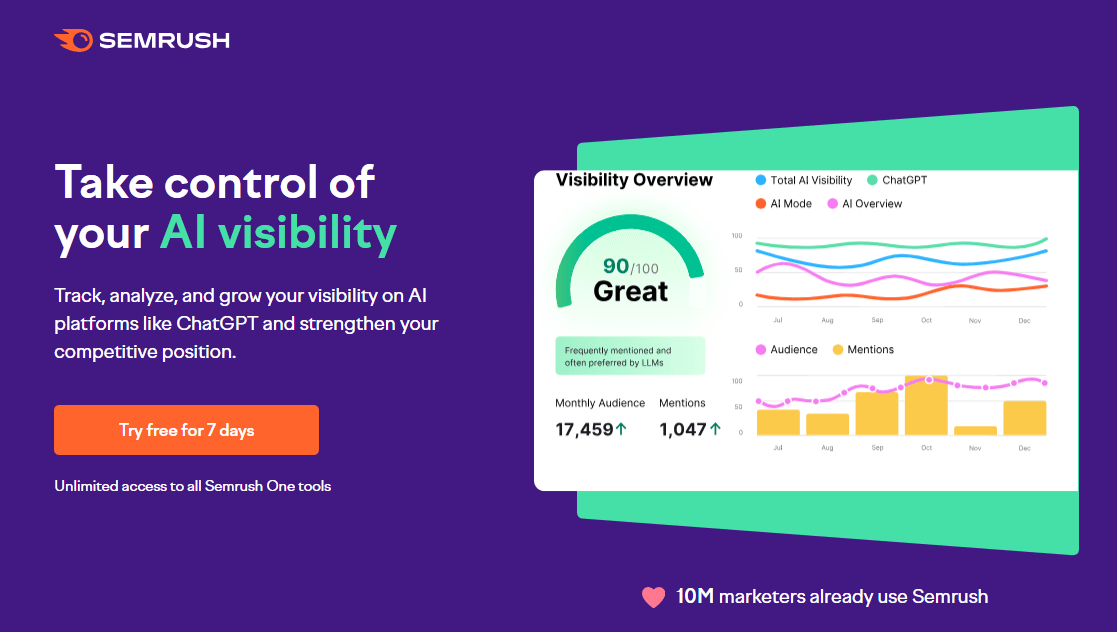
Do you remember when optimizing for search engines meant making sure your website ranked well in Google’s blue links? That world is changing, and so is the way people discover information online.
AI Visibility Defined
AI visibility is the degree to which your brand, product, content, or even reputation appears in the results, responses, and recommendations generated by artificial intelligence systems, especially large language models (LLMs) like ChatGPT, Google Gemini, and the AI behind Bing, Siri, and Alexa.
In simple terms, it’s about being present when people ask AI-powered systems questions or when these systems summarize, recommend, or cite information. It means your brand or your content doesn’t just have to be found by humans, it has to be found and trusted by machines, too.
Examples of AI Visibility
When a user asks ChatGPT, “What’s the best project management software for small teams?”, is your brand mentioned?
When Bard or Gemini summarizes travel tips for Japan, does it reference your blog or business?
Is your company’s expertise cited in a smart speaker’s voice answer?
If you’re not showing up in these AI-generated responses, you’re invisible in a growing part of the digital landscape.
AI Visibility vs. Traditional SEO: Spot the Difference
Let’s get clear on how optimizing for AI visibility is different from traditional search engine optimization (SEO), and how the two connect.
Traditional SEO
SEO has long been about optimizing your website content, code, structure, and backlinks so that search engine crawlers (primarily Google) understand, index, and rank your pages for relevant searches.
SEO Focuses On:
Keyword placement
Meta tags and structured data
Backlink profiles
Technical website health
Content quality and relevance (according to Google’s rules)
AI Visibility Optimization
Optimizing for AI visibility means your content and brand are not just ranked for human searchers, they are also incorporated, referenced, and cited inside the minds (and outputs) of AIs.
AI Visibility Depends On:
Being recognized as an authority or source by LLMs
Appearing in structured and unstructured AI data sets
Having your brand, website, or insights cited in LLM-generated content
Being recommended or surfaced by conversational AI, chatbots, and voice assistants
Key Difference:
SEO helps you rank for search queries.
AI visibility ensures you are included, cited, or referenced in the answers AI provides to its users.
Why Does AI Visibility Matter Right Now?
AI isn’t just hype anymore, it’s quickly becoming the default method people use to explore, decide, and buy.
Here’s why AI visibility should be a top priority for any digital-savvy business today:
The Rise of Generative AI Search
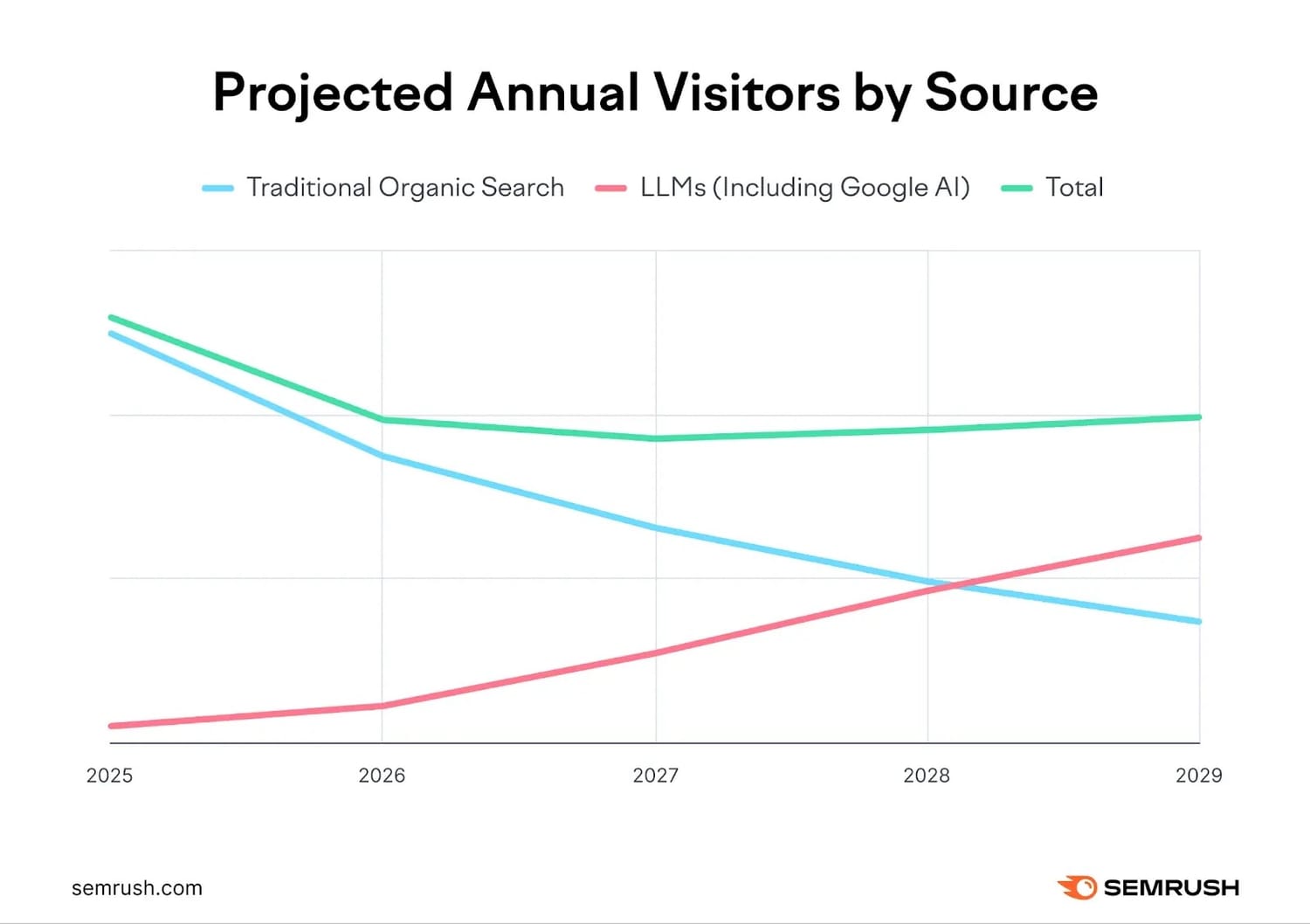
Tools like ChatGPT, Gemini, Bing Copilot, and voice assistants are being used by millions to ask questions in ways that traditional search engines simply can’t serve. As AI-powered responses become more trusted, traffic that once went to your website via search may now be intercepted by AI’s own answers, unless you’re cited as a source.
Shorter Paths to Decision
AI assistants give end-users summarized, concise answers, meaning fewer people are scrolling through “page 2 of Google” or clicking 10 blue links. If you’re not part of those summaries, you’re missing out on attention and influence.
Trust and Authority Are Automated
AI systems decide whom to trust, whose expertise to include, and which sources to recommend. Building machine trust is now as important as building human trust.
Brand Reputation at Scale
Conversational AI and smart search engines now weave together corporate information, reviews, social content, and more. If your business isn’t highly visible (and positively represented), you risk being sidelined, or misrepresented, by default.
Future-Proofing Your Digital Presence
Optimizing for AI visibility isn’t just about trend-chasing; it’s about future-proofing your investment in content, branding, and authority.
How Do AIs Decide What to Surface? Inside the AI “Black Box”
To optimize for AI visibility, you first need to understand what shapes AI responses.
AI Training Data
Most generative AIs are trained on vast swaths of the open internet, websites, books, social media, datasets, and more, often captured months or years ago. This is their “knowledge base.”
Real-Time Web Access
Some tools (like Bing Copilot and Perplexity) can pull in current web results or cite live content, blending old training data with the newest, most authoritative information available.
Trust Signals
AI systems use a complex web of trust indicators:
Domain authority/seeds: Reliable sources are identified and reused.
Reputation/mentions: If your site or brand is mentioned by trusted publishers, it’s more likely to be cited by AI.
Structured data: Well-organized, schema-rich sites are easier for machines to parse.
Content clarity: Direct, well-written answers help AIs quote or summarize your expertise.
User Intent
AI tries to match the purpose behind the query with precise information. If your content answers clear questions or meets specific intents, it’s more likely to be included.
How to Measure Your Current AI Visibility
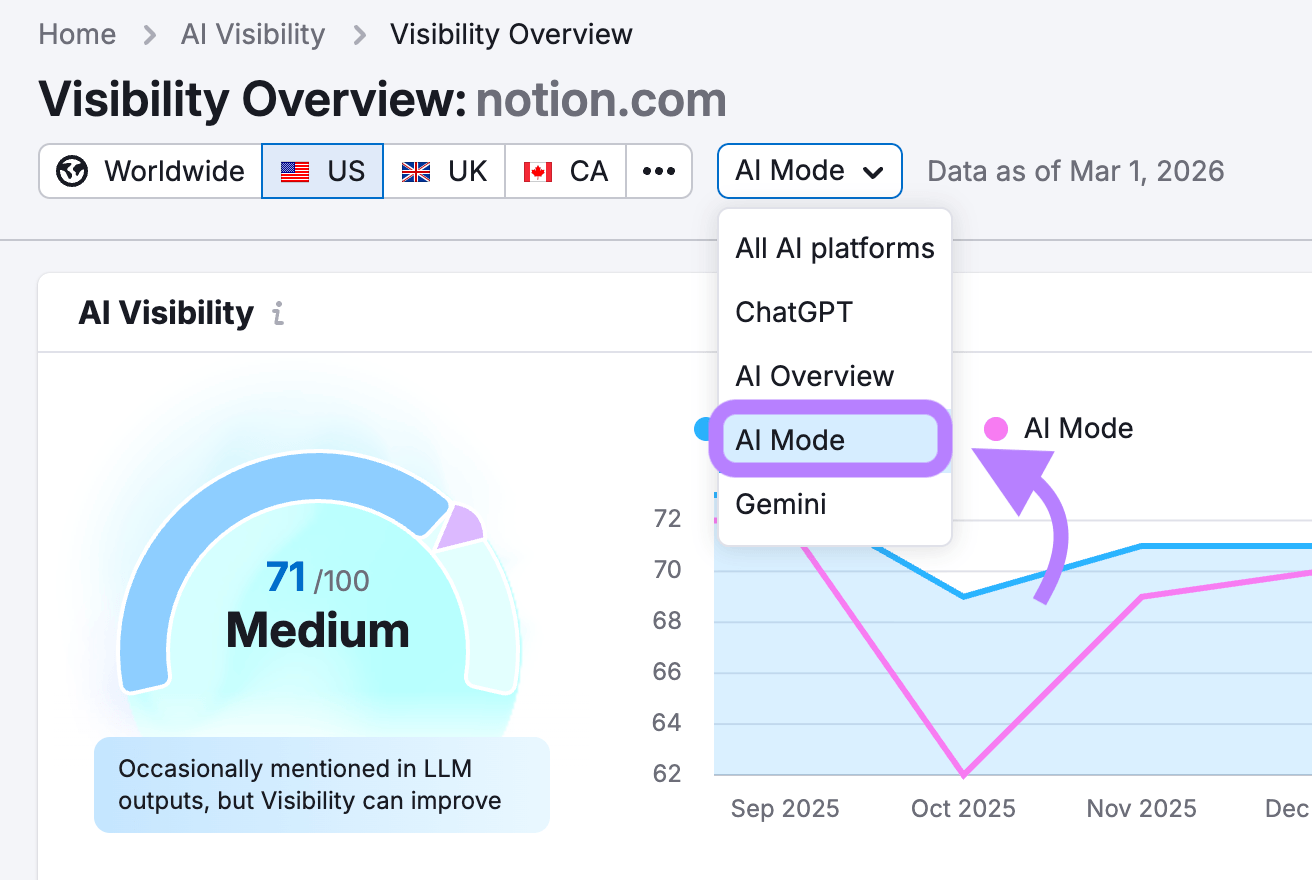
Before you can improve your standing with AI, you need to know where you stand.
New Tools for a New Era
The best step is to use specialized tools built for this purpose, like the AI Visibility toolkit by Semrush. These tools allow you to:
Track how often your brand or website appears in AI-powered responses.
See which competitors are being cited by AI, so you can spot gaps.
Analyze the topics and types of questions where you have presence or need improvement.
Get recommendations for boosting your inclusion in AI-generated answers.
DIY Methods
If you want to experiment manually:
Test your brand or key queries in ChatGPT, Gemini, Bing Copilot, and other AIs.
Note whether your site, product, or expertise is mentioned.
Analyze the strength of your citations compared to competitors.
Stay alert to new citation and content guidelines issued by major AI developers.
Strategies to Improve Your AI Visibility (And Outshine Your Competitors)
Getting “seen” by AI isn’t about gaming the algorithm, it’s about providing real value, expert perspectives, and trustworthy information.
Here’s how you can raise your AI profile today:
Authoritative, Expert Content Creation
Invest in creating well-researched, authoritative, and genuinely helpful content.
Use clear, direct answers to questions people (and AIs) are likely to ask.
Supplement your blog with rich media (infographics, charts, videos), as these are often scraped or summarized by AI.
Build AI-Friendly Authority Signals
Secure high-quality links and mentions from reputable websites.
Collaborate with trusted publishers who are often referenced by AI.
Ensure your About Us, author bios, and company credentials are up-to-date and easily found.
Structure Your Content for Machines
Use structured data/schema markup to clarify your content’s meaning.
Organize FAQs, lists, and “people also ask”–style sections so AIs can pull direct answers.
Maintain clear headline hierarchies and table of contents for easy parsing.
Stay Up-to-Date
Monitor how AIs are citing content and adapt accordingly (e.g., some LLMs prefer certain citation formats).
Regularly update content so it reflects the most current information (a key driver for AI surfacing).
Watch for AI platform updates, adoption of new sources, changes in citation policies, etc.
Optimize Your Brand’s Digital Footprint
Claim and optimize business profiles on major directories (especially Google Business Profile).
Engage (thoughtfully!) on relevant social media, forums, and Q&A platforms.
Encourage positive reviews, especially on third-party sites often consulted by AIs.
Monitor and React to AI Mentions
Use AI visibility tools to track your current mentions and citations.
Respond to inaccuracies by updating your own content and, where possible, reaching out to trusted reference sites.
Remember: AI optimization is about being the best answer, not just the loudest. That means blending technical excellence with real-world expertise.
Common Mistakes That Sabotage AI Visibility (And How to Avoid Them)
Mistake 1: Treating AI visibility like SEO 2.0
Solution: Focus on authoritative content and trust relationships, not keyword stuffing.
Mistake 2: Forgetting about reputation
Solution: Monitor brand mentions and proactively manage your online reputation, with both people and machines in mind.
Mistake 3: Ignoring structure
Solution: Make your content easy for algorithms to parse. Use schema, clear Q&A sections, and logically grouped topics.
Mistake 4: Resting on your laurels
Solution: AI training data and web access constantly evolve. Update your information and stay alert to industry shifts.
The Future Is AI-Native: Why AI Visibility Is Only Going to Grow
Let’s look one step ahead. Here’s why making AI visibility part of your core digital strategy will pay off, even as the landscape keeps shifting:
Search and Discovery Will Keep Changing
Spoken queries, visual searches, and multimodal interactions are on the rise (think: searching by image, voice, or even video). AI is the backbone of all these new interfaces.
Zero-Click Era
A growing amount of information will be delivered without clicks, summarized by AIs and voice bots. Your website or brand needs to be referenced, not just “ranked.”
Personalized, Contextual Answers
AIs are getting better at tailoring results to each user’s history, interests, and location. If you want to be included in relevant conversations, your brand needs to be universally authoritative and contextually strong.
AI Is the New Trust Filter
AIs will increasingly act as reputation managers, deciding who gets cited and trusted at scale. Those who invest early in AI visibility will own the advantage while others scramble to catch up.
Closing Thoughts: Taking Your Next Steps Toward AI Visibility
The digital world is being rewritten by artificial intelligence, at a pace few could have predicted. Whether you run a global brand, a fast-growing startup, or a passion project, AI visibility is the new frontier of digital discovery, trust, and growth.
You can’t afford to ignore it:
Start by assessing your current standing in LLM answers, AI tools, and smart assistants.
Invest in authoring high-quality, trustworthy, and clearly structured content.
Build your authority with both people and machines in mind.
Use specialty tools, like those from Semrush, to track, benchmark, and improve your AI visibility.
Being “visible” in this AI-powered era isn’t just about showing up. It’s about being cited, trusted, and chosen, by both algorithms and the humans behind them.
Ready to Dive Deeper?
If you’re serious about future-proofing your digital presence and building a brand that thrives in the age of AI, don’t wait. Start experimenting with AI-based search, tracking your brand’s performance, and structuring your content for this new wave.
The brands and creators who get ahead in AI visibility today will be the trusted guides of tomorrow.
Come back for more hands-on guides, tactical tips, and the latest insights on winning in the AI-driven digital world. Together, let’s lead the way!



Created with © Systeme.io
Disclaimer: This page contains affiliate links. If you purchase through these links, we may earn a commission
at no extra cost to you. We only recommend tools we trust.